
Newsletter
Fashion District is delighted to announce that the winner of the Manufacturing Futures Innovation Challenge Prize 2026 is Pulpatronics, a London-based company developing fully recyclable, metal-free RFID tags that reduce carbon emissions, costs and electronic waste in inventory management.
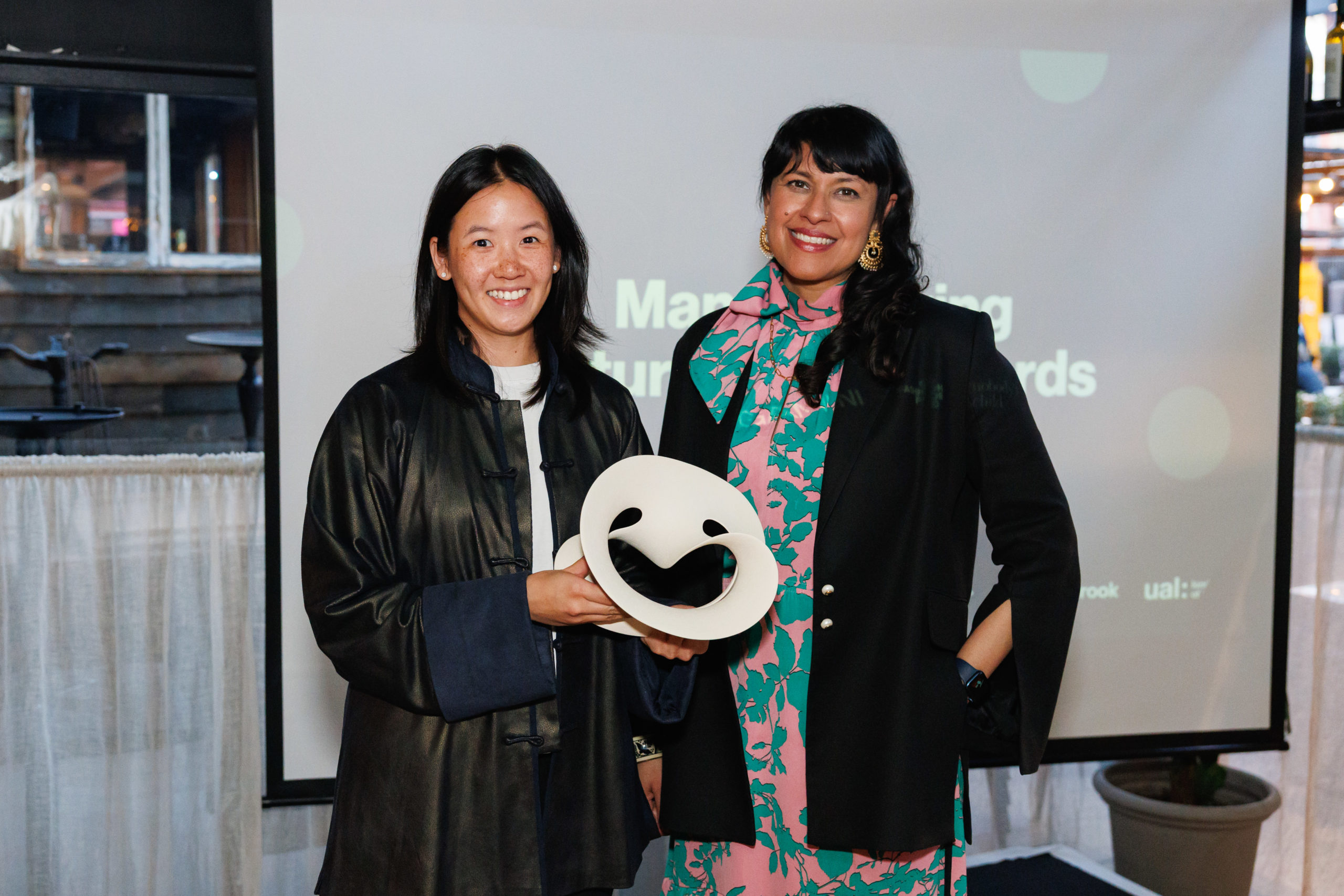
This year’s runners-up are Tera Mira, a biomaterials company developing a compostable seaweed-based alternative to conventional elastane, and Danu Water, whose technology closes on-site water loops to help manufacturers reduce freshwater use. Highly commended was awarded to Infinity Blue, which recovers indigo from denim waste to reimagine colour as a continuously regenerative resource.
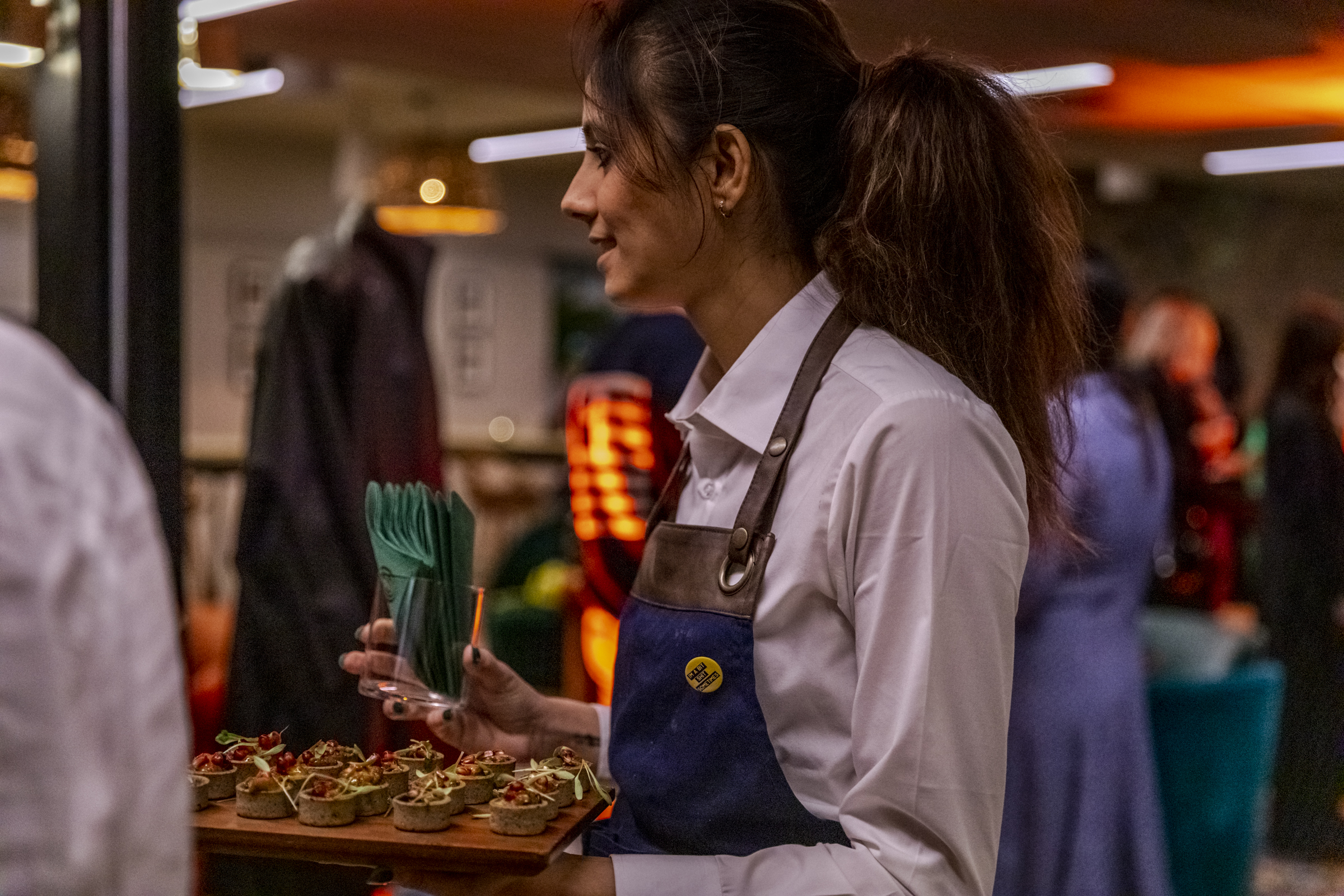
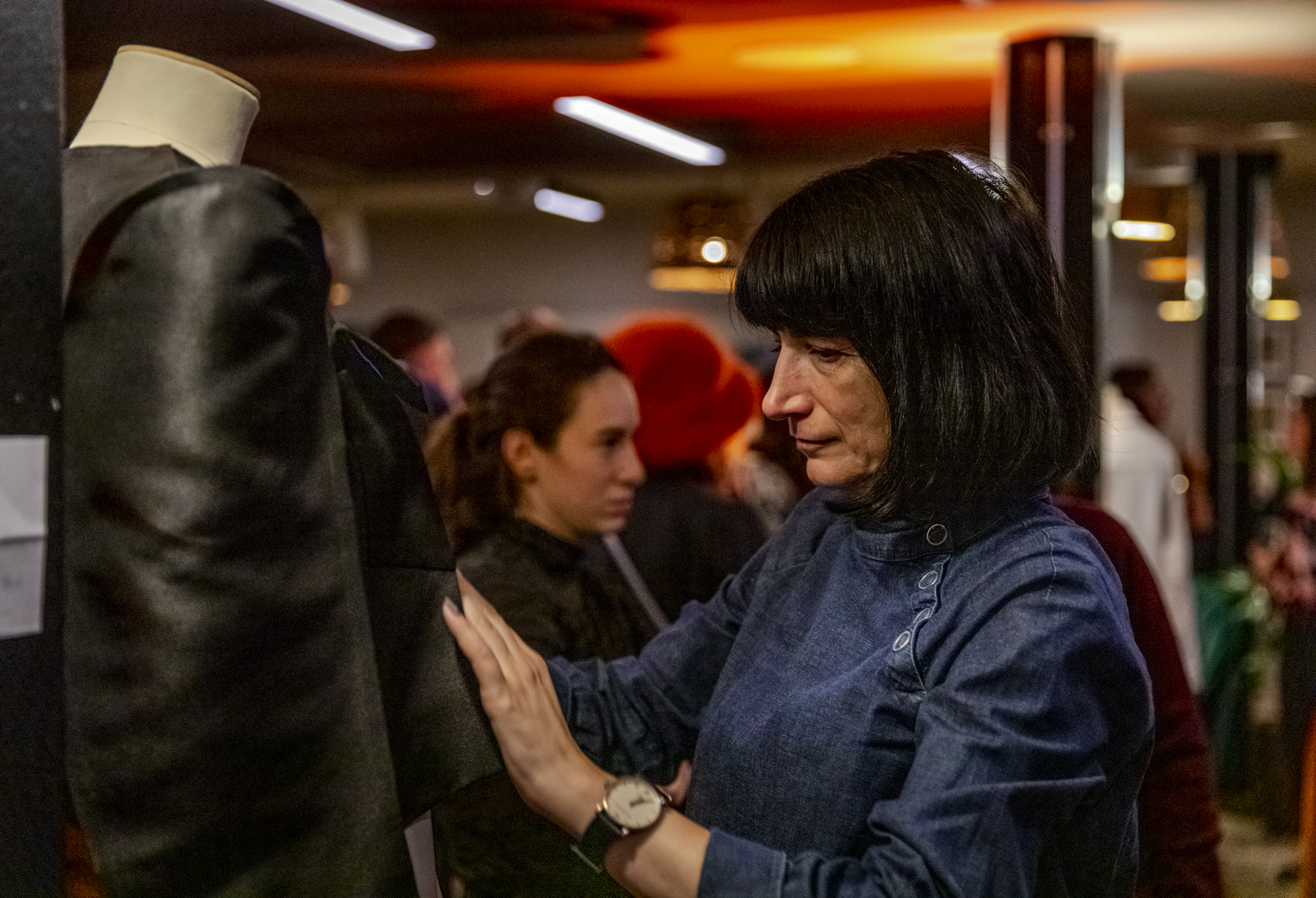
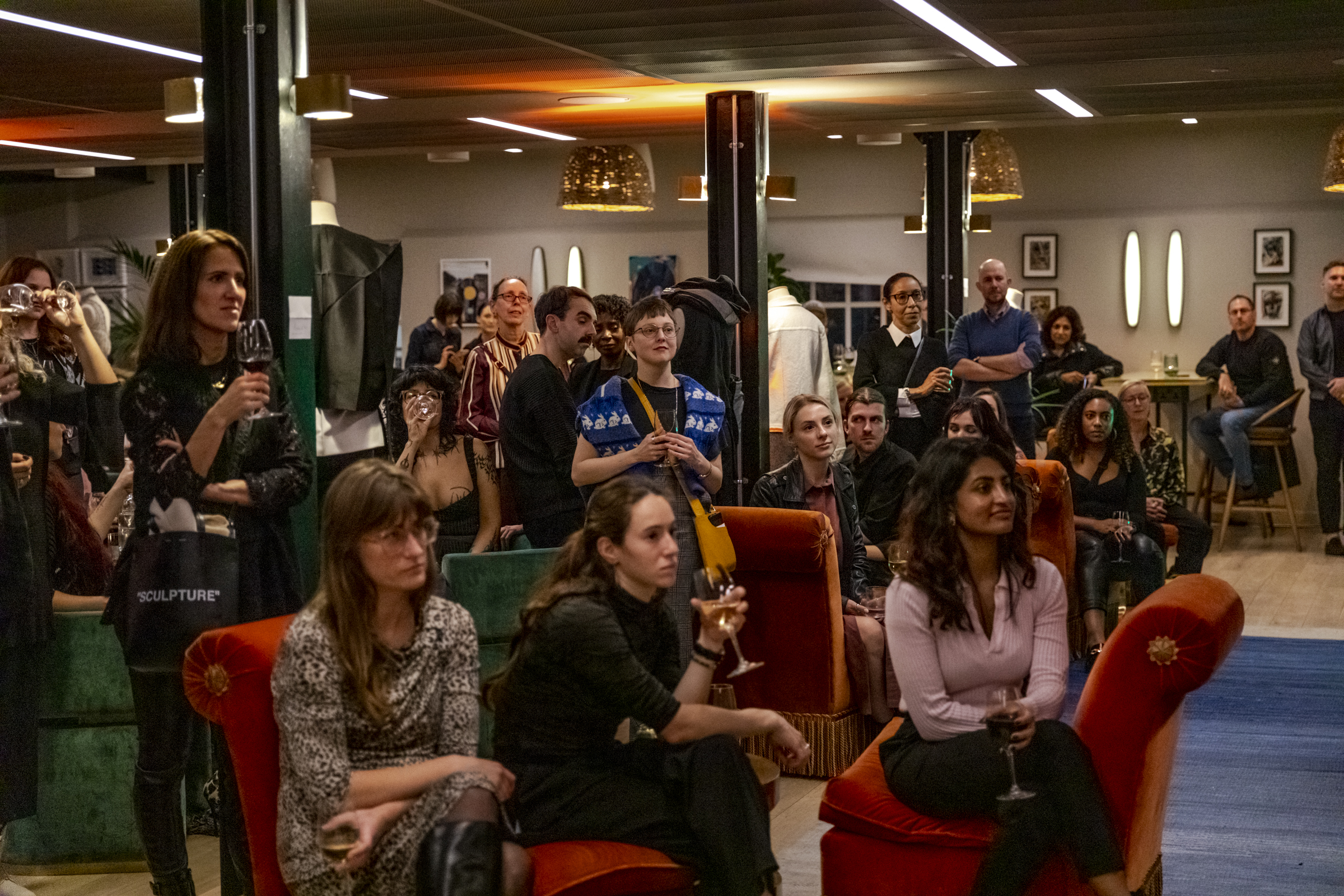
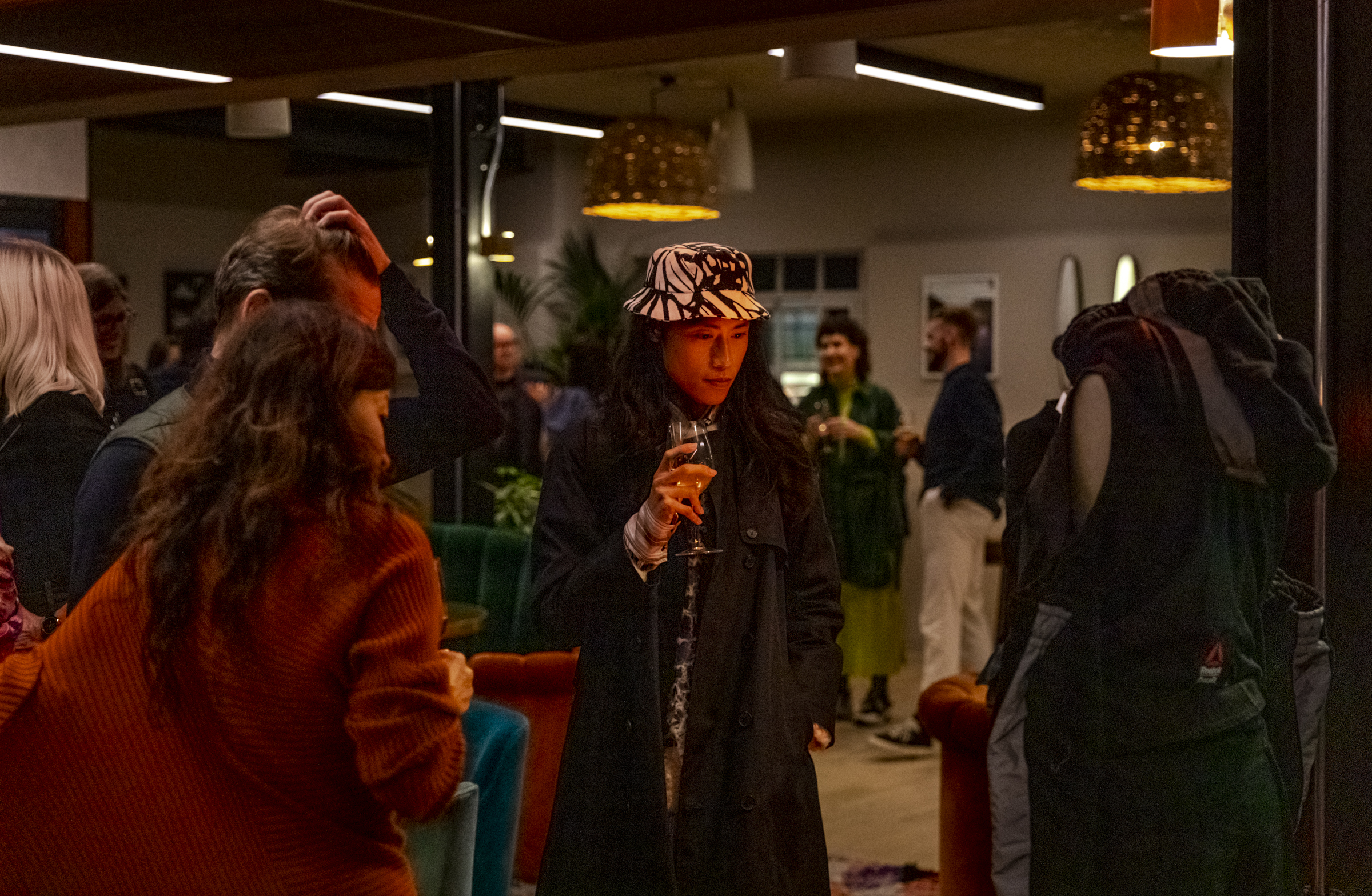
The winner and runners-up were announced by Shailja Dube, Deputy Director of the Institute of Positive Fashion, BFC, at a special awards ceremony last night at ALFI in Spitalfields Market. Speakers also included: Vanessa Perez Sanchez, Director of Small Business, London & Partners; Nathalie Lethbridge, Chief Outreach and Marketing Officer, EIT Culture & Creativity and Tom Adeyoola, CEO of Innovate UK. Following the reception, guests were seated in Spitalfields Market for the Fashion District Showcase in partnership with SXSW London and Spitalfields E1, and supported by London College of Fashion, UAL.
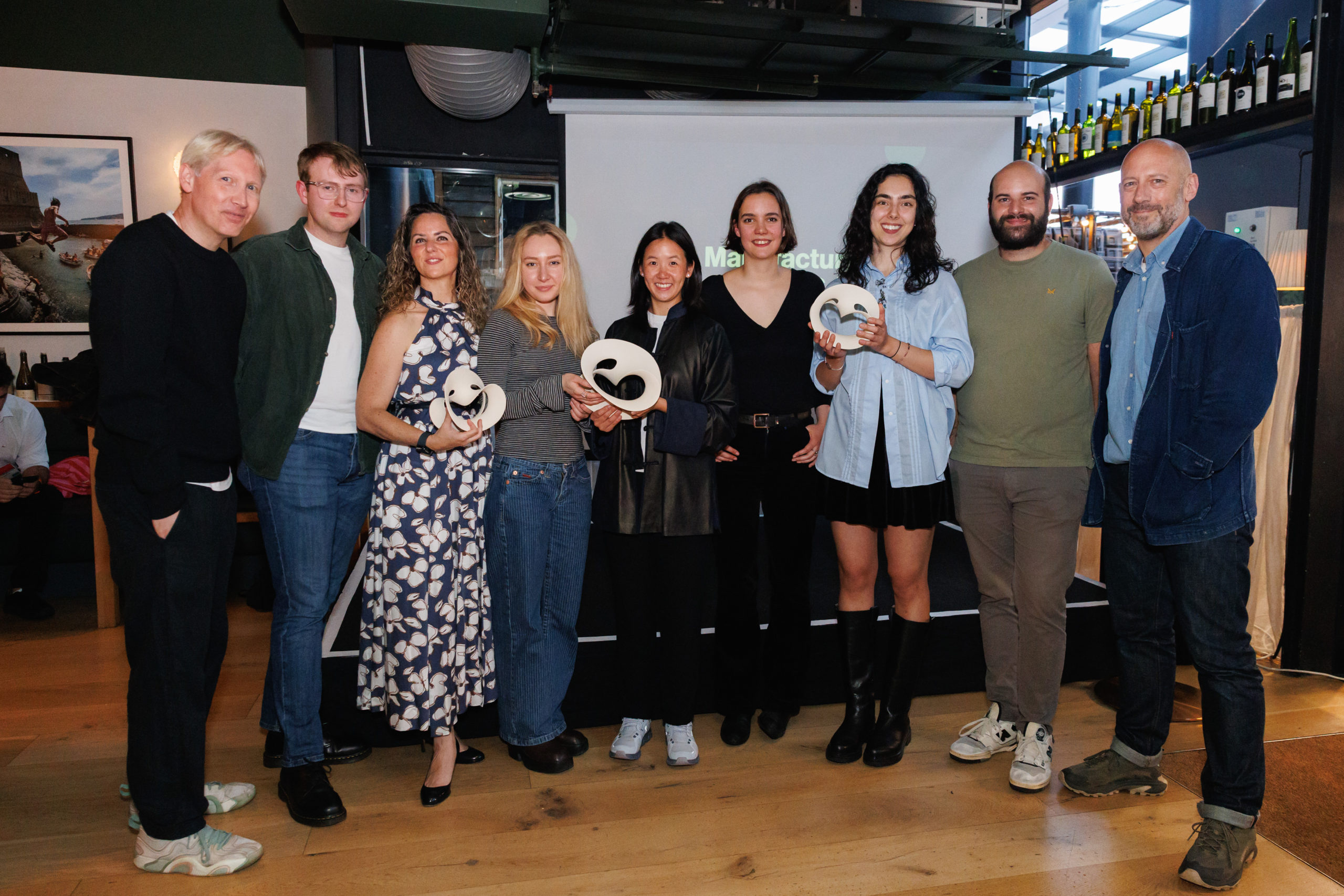
Pulpatronics receives a cash prize of £15,000, alongside a year-long desk membership at The Trampery Fish Island Village, UKFT membership, legal support from Bates Wells, advisory hours from Chelsea Franklin Studio, and branding and communications guidance from Westbrook. Each runner-up receives £5,000 and access to the same package of support.
This year’s judging panel comprised Adam Mansell, CEO, UKFT; Georgia Parker, Innovation Director, Fashion For Good; Lauren Bartley, Sustainability Innovation Manager, GANNI; Philly Grogan, Sustainability Manager, Nobody’s Child; and Matthew Drinkwater, Head of Fashion Innovation Agency, UAL: London College of Fashion.
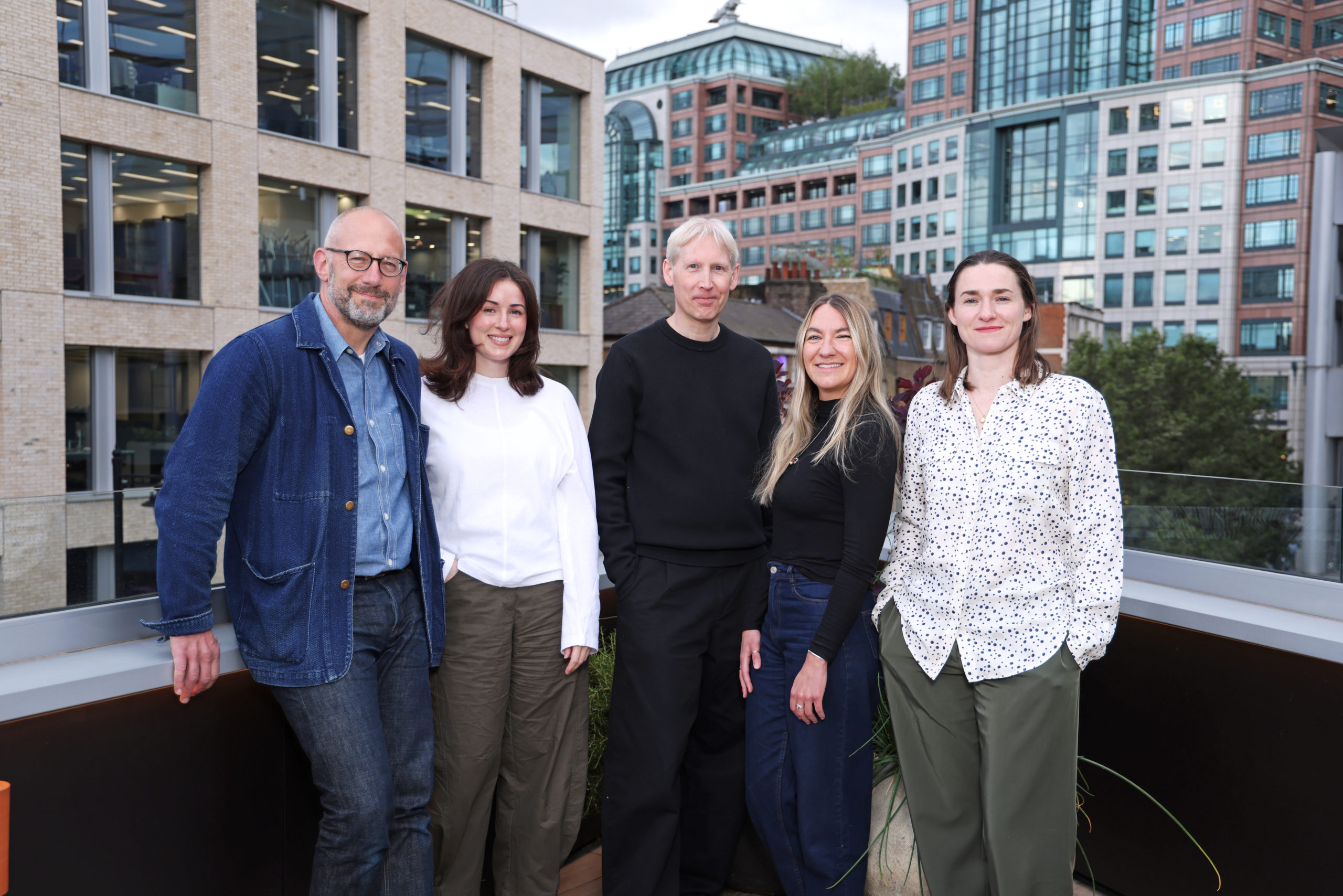
Adam Mansell, CEO of the UK Fashion & Textile Association (UKFT), said: “This year’s cohort showed a strong systems-thinking approach to manufacturing innovation. It was encouraging to see continued focus on early-stage processes such as dyestuffs, alongside practical solutions for retailers and manufacturers, ranging from RFID to water conservation. These start-ups have real potential to help address some of the industry’s key challenges – it has been really exciting to be part of the judging process.”
Pulpatronics is developing fully recyclable, metal-free RFID tags to enable more sustainable inventory management. By replacing traditional components with paper-based conductive materials, the company reduces carbon emissions, costs and electronic waste.

Tera Mira is developing a fully biobased elastomer derived from seaweed as an alternative to conventional elastane. Designed for both performance and circularity, the material is compostable and compatible with existing manufacturing processes.
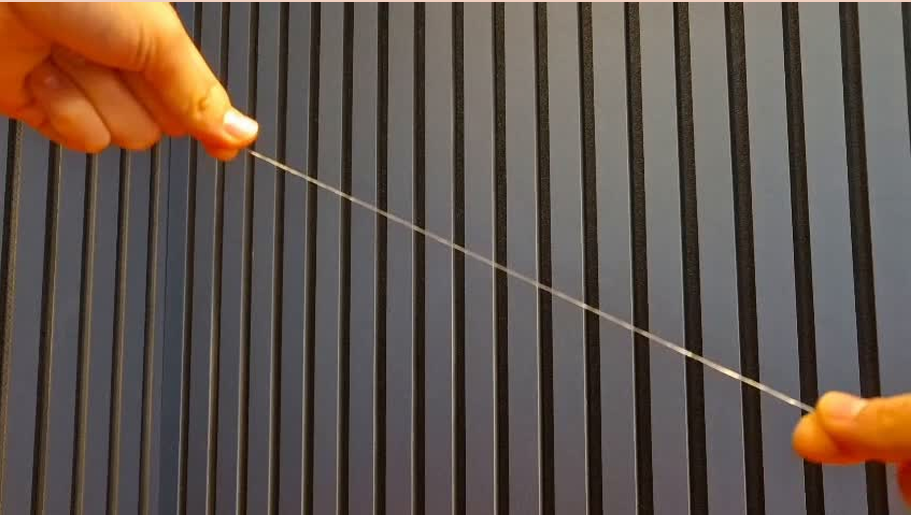
Danu Water develops industrial water recycling systems designed to close on-site water loops. Its technology treats wastewater to a process-ready quality, helping manufacturers reduce freshwater use, minimise discharge and improve operational efficiency.
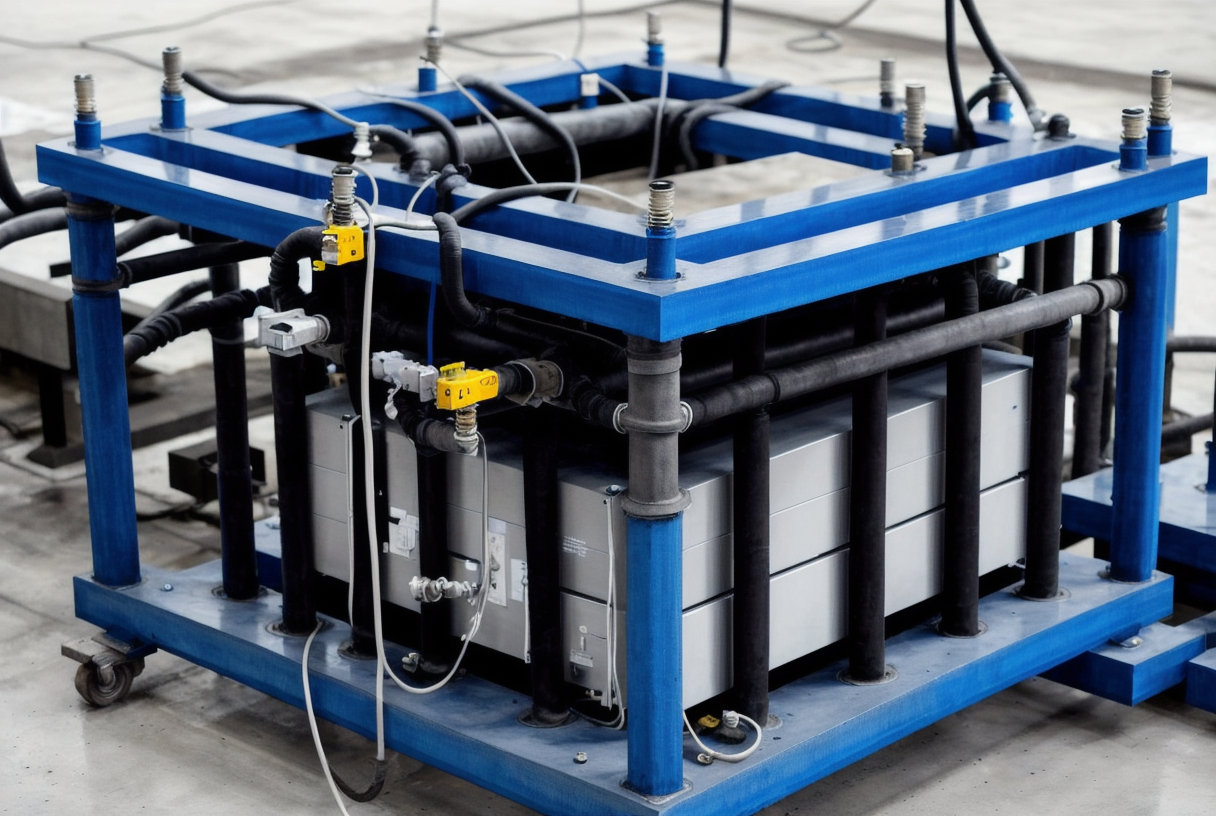
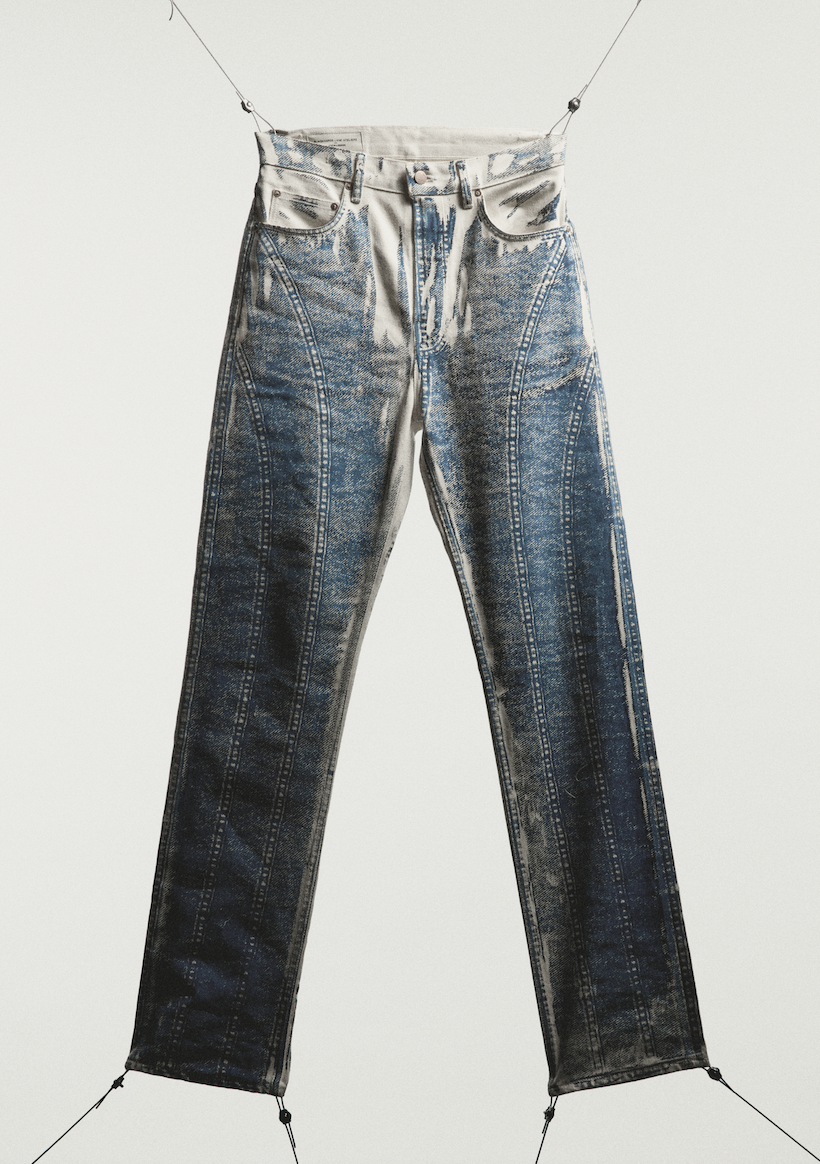
Infinity Blue is pioneering a circular colour system that recovers indigo from denim waste. Using a natural, chemical-free process, it transforms discarded materials into a reusable dye source — reimagining colour as a resource that can be continuously regenerated.

ABOUT FASHION DISTRICT
Fashion District at London College of Fashion, UAL, is a hub for fashion innovation in east London. It connects fashion, technology, business and education to provide innovation networks, affordable space, business support and investment.
ABOUT LONDON COLLEGE OF FASHION, UAL
London College of Fashion, UAL, leads the world in fashion business, media and design education. From their new home at East Bank, the UK’s newest cultural quarter at the heart of Queen Elizabeth Olympic Park, they’re forging partnerships, opening up opportunities, and creating connections with east London’s schools, community and industry. They’ll continue to pioneer how we use fashion business, media and design to shape culture, economics, and society. And through fashion, shape lives.
Sign up to our newsletter for the latest news, and follow us to keep up-to-date with our latest events and opportunities:
Cover image: FEVVERS
From algae-based dyes and next-generation fibres to circular systems tackling textile waste, this year’s cohort brings together 11 pioneering start-ups and SMEs rethinking how fashion is made, sourced and scaled.
Shortlisted businesses will now participate in three bespoke Development Days with key industry figures such as Lauren Junestrand Leal (UKFT), Lisa Chatterton (Fashion Innovation Agency, UAL), Sofia Strazzanti (Future Fashion Assembly), Cecily Rooney (Axel Arigato / Informed Collective), Riley Marchant (PDS Ventures), Surakat Kudehinbu (Green Angel Ventures), Clive Allen (Westbrook Agency), Luke Donovan-King (Forge Together), Oliver Scutt (Bates Wells) and Vikram Menon (Fashionex).
Starting with the Critical Friends Day, seventeen professionals will critique the shortlisted business’ proposition across different specialisms, from sustainability to production to finance and IP. Whilst at the Production and Business Day, led by Brooke Roberts-Islam from Techstyler, they will evaluate their solutions from the perspective of brands, partners and customers, thinking through how to create robust partnerships. Lastly the Investment Readiness Day led by Hattie Willis from Guessworks will help them consider their investment strategy and pitching technique.
The businesses will go on to compete for a £15,000 prize, alongside a package of industry support designed to accelerate their impact. The winner and runner-ups will be announced at an awards ceremony on 2nd June.

Speaking on this year’s shortlist, Fashion District Director Helen Lax said:
“The breadth of thinking and level of innovation we’ve seen this year is exceptional. These businesses are not only responding to the challenges facing fashion today, they are actively shaping its future.”
Judge Matthew Drinkwater, Head of Fashion Innovation Agency, London College of Fashion, UAL said:
“This year’s finalists point to a reconfiguration of fashion’s industrial logic. Across dyes, fibres, and processing systems, the work reflects a move toward precision, circularity, and reduced resource intensity. What stands out is the alignment between scientific innovation and commercial application, an essential condition for meaningful transformation. Good luck to them all!”
Judge Georgia Parker, Innovation Director at Fashion For Good said:
“The applications for this year’s Manufacturing Futures were extensive, addressing some of the biggest challenges facing the fashion industry. Shortlisting was a difficult task, and I am looking forward to learning more about the finalists during the pitch day. These startups prove that the future of fashion manufacturing is already being built; hopefully, this platform will help them on their path to scale.”
The shortlist was selected by an expert panel including Adam Mansell (UKFT), Lauren Bartley (GANNI), Georgia Parker (Fashion for Good), Philly Grogan (Nobody’s Child), and Matthew Drinkwater (Fashion Innovation Agency, London College of Fashion, UAL).
Brilliant Dyes is tackling the environmental and health impacts of synthetic dyes across textiles, cosmetics and food. Using an innovative, low-cost process, the company extracts vibrant natural dyes from algae, harnessing photosynthesis to reduce carbon emissions at scale while offering a safe, sustainable alternative for industry.
Circle-8 Textile Ecosystems is building the infrastructure needed to make textile-to-textile recycling viable at scale. Through automated sorting and pre-processing facilities, the company transforms non-reusable textiles into high-quality feedstock, bridging the gap between waste and circular production.
Danu Water develops industrial water recycling systems designed to close on-site water loops. Its technology treats wastewater to a process-ready quality, helping manufacturers reduce freshwater use, minimise discharge and improve operational efficiency.
Dye Recycle is a UK-based fibre reclamation company that transforms real-world waste into high performing materials. Their green chemistry technology separates clean fibres from vibrant colours, refining the unrecycleable into spin-ready textiles.
Fevvers is a materials innovation company replacing animal feathers with a scalable, plant-based alternative for fashion and design. Positioned at the intersection of sustainability and luxury, it enables brands to maintain aesthetic impact while reducing environmental and ethical risks.
Founded in 2024, Grouse Fibre is developing next-generation protein-based fibres to address the climate impact of textiles. Backed by a team of scientists and researchers, the company is rethinking how sustainable fibres are designed and produced.
Infinity Blue is pioneering a circular colour system that recovers indigo from denim waste. Using a natural, chemical-free process, it transforms discarded materials into a reusable dye source – reimagining colour as a resource that can be continuously regenerated.
PulpaTronics is developing fully recyclable, metal-free RFID tags to enable more sustainable inventory management. By replacing traditional components with paper-based conductive materials, the company reduces carbon emissions, costs and electronic waste.
Solena Materials is engineering entirely new fibres using AI and protein-based design. Its advanced materials aim to deliver high-performance and luxury textiles while significantly reducing the environmental impact of synthetic fibres.
Süss Fabrics transforms textile waste into eco-friendly paper through innovative recycling. By analysing materials with FTIR to ensure suitability, they shred and pulp fabrics, then craft sheets through water blending and precision molding.
TERA MIRA is developing a fully biobased elastomer derived from seaweed as an alternative to conventional elastane. Designed for both performance and circularity, the material is compostable and compatible with existing manufacturing processes.
This year’s Manufacturing Futures prize will include:
Stay up to date with the Manufacturing Futures 2026 cohort – sign up to our newsletter for the latest news, and follow us to keep up-to-date with our latest events and opportunities:
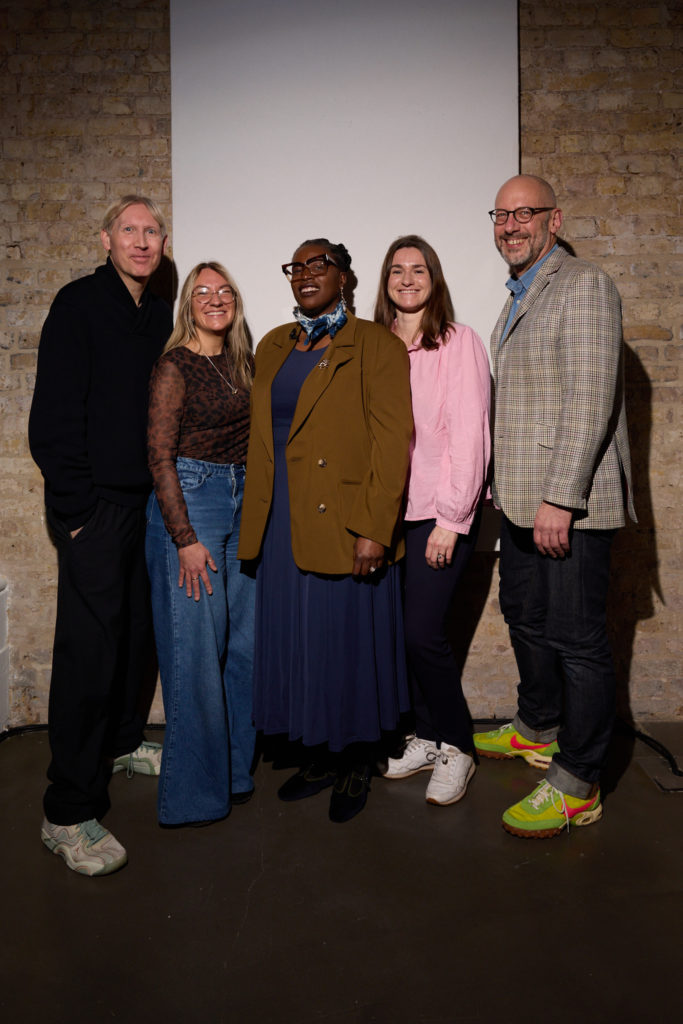
Panel Host Muchaneta ten Napel (middle) and Manufacturing Futures 2026 Judges
Image: Morgan White
The Evo Fashion 2026 graduating cohort
Image: Morgan White
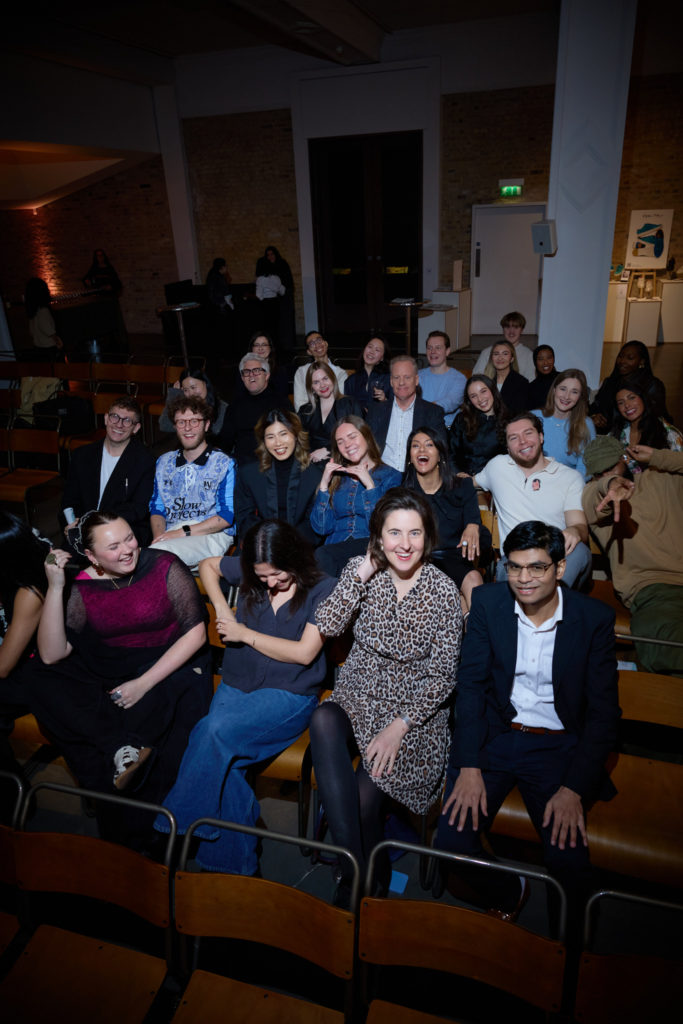
Marking Fashion District’s third manufacturing challenge, this year the focus is on technological innovations and sustainable solutions that are solving any of the complex fashion manufacturing challenges facing the industry. Helen Lax, Director of Fashion District, kicked off the event with a reflective welcome: “I’ve been thinking about what we really mean when we say we want to innovate the industry. What are startups and founders doing, and how can we, as a group of people, push that agenda forward?”
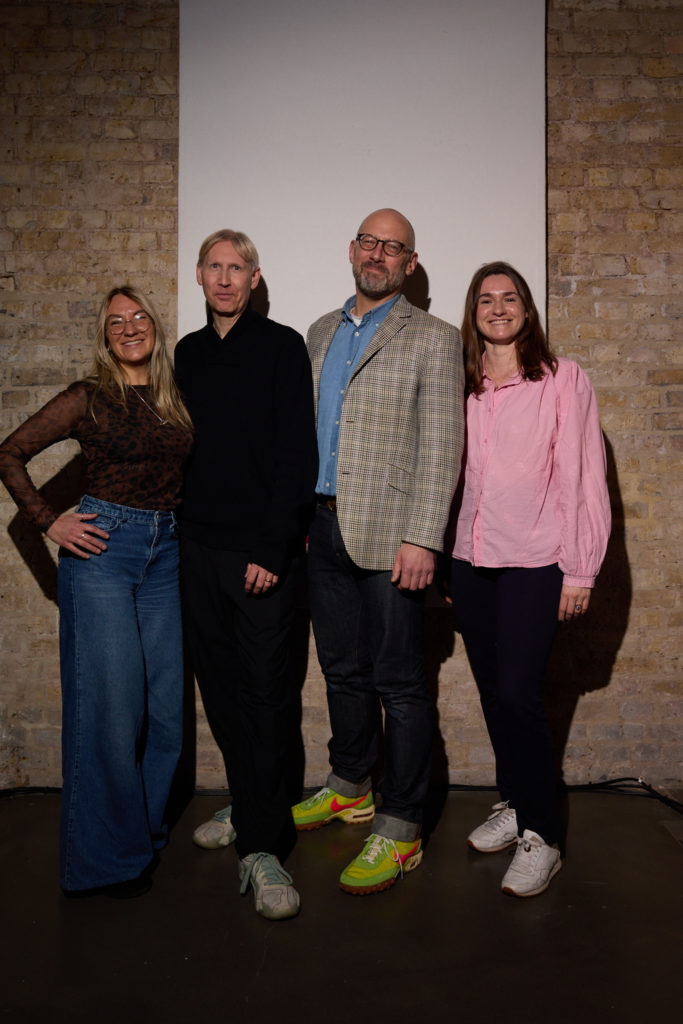
Muchaneta ten Napel, Founder and CEO of Shape Innovate then took to the stage to host a Meet the Judges session with this year’s expert panel: Adam Mansell, CEO of UKFT; Georgia Parker, Innovation Director at Fashion for Good; Philly Grogan, Sustainability Manager at Nobody’s Child; and Matthew Drinkwater, Head of Fashion Innovation Agency at UAL: London College of Fashion.
The conversation began by exploring the tension between technical innovation and real-world adoption. Startups which develop groundbreaking biomaterials, often stumble not because the science is flawed but because the fashion system itself is not ready. Adam Mansell emphasised that startups frequently misunderstand the pace and complexity of the industry:
“Startups don’t fail because they lack ambition – they fail because they don’t understand the system they’re stepping into. Fashion wants everything yesterday, but these are long-term scientific challenges that take years to fund and develop.”
The judges highlighted that innovation must fit within the economic and operational realities of the industry. Even the most promising sustainable materials will struggle to gain traction if they can’t meet cost pressures or integrate into existing supply chains. Philly Grogan explained how internal brand dynamics matter: enthusiasm in innovation teams is not enough – success often hinges on engaging sourcing teams, aligning with margins and building the right supplier relationships. “It’s being able to make that shift from innovation teams to working with sourcing teams,” she noted.
The conversation also tackled the challenges of recycling and circularity. Complexities arise when dealing with post-consumer textile waste: mixed fibres, buttons, zips and varying product types all complicate recycling at scale. Matthew Drinkwater highlighted opportunities in pre-processing, on-demand manufacturing and better prediction of consumer demand, noting that AI and digital tools could significantly reduce waste and inefficiency.
Regulation and compliance were another focal point. Georgia Parker and Adam Mansell stressed that technical solutions alone are insufficient; innovators must understand the regulatory landscape and how their solutions align with upcoming compliance requirements. Being “ready” means more than technical feasibility – it means knowing the materials, supply chain and brand priorities, and being able to demonstrate tangible solutions that solve real problems.
When asked about gaps in the market, the panel pointed to persistent opportunities in textiles and footwear recycling, digital pre-processing, waterless dyeing and on-demand manufacturing. Matthew highlighted that regulation and policy can create openings for tech-driven solutions, while Philly emphasised the importance of embedding innovation into the business as usual, rather than treating it as a pilot or capsule project.
“You have to infiltrate every function in the business. Setting KPIs across product categories so sustainability is baked into everything rather than being a side project.”
Finally, the panel offered advice for applicants looking to stand out: understand the industry, know your brand’s current materials and processes, align solutions with upcoming regulations and communicate how your innovation tangibly solves real problems. The consensus was clear: innovation isn’t just about technology – it’s about systems, economics and collaboration.
Following the discussion, Helen Lax presented the details of Manufacturing Futures 2026, highlighting the opportunity for startups and SMEs to submit solutions across materials, digital processes, circularity, waste management and transparency. Applicants are in with the chance to win a £15,000 cash prize, business support and the opportunity to pitch directly to industry leaders.
Do you have what it takes to create the next big manufacturing innovation? Applications for Manufacturing Futures 2026 are now open.
Subscribe to our newsletter for the latest Fashion District updates, and follow us to keep up-to-date with our events and opportunities:
Wednesday 4 Feb | 18:00 – 20:30
Whitechapel Gallery, 77-82 Whitechapel High Street, London E1 7QX
We’re delighted to announce the launch of our next innovation challenge Manufacturing Futures 2026 at Whitechapel Gallery. Join us for an evening drinks reception to hear about the prizes, learn how to apply, and network with leading figures from London’s fashion, tech, and innovation communities.
The Launch
To help us launch the challenge, Muchaneta ten Napel, Founder and CEO of Shape Innovate, will host a Meet the Judges session, featuring this year’s expert panel: Adam Mansell, CEO of UKFT; Georgia Parker, Innovation Director at Fashion for Good; Lauren Bartley, Sustainability Innovation Manager at GANNI; Philly Grogan, Sustainability Manager at Nobody’s Child; and Matthew Drinkwater, Head of Fashion Innovation Agency at UAL: London College of Fashion. Together, they’ll discuss the challenges of scaling innovation for both brands and innovators, and what makes a great applicant.
Afterwards, we’ll reveal this year’s challenge brief, where attendees will get the opportunity to learn more about the application process and find out the judge’s criteria for selecting the winners.
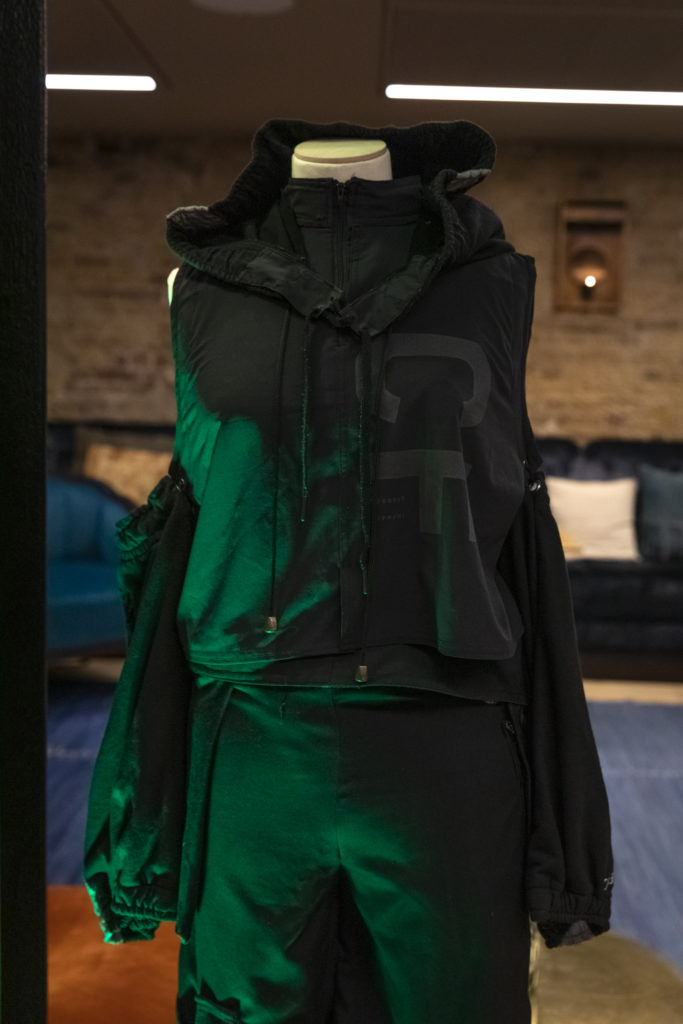
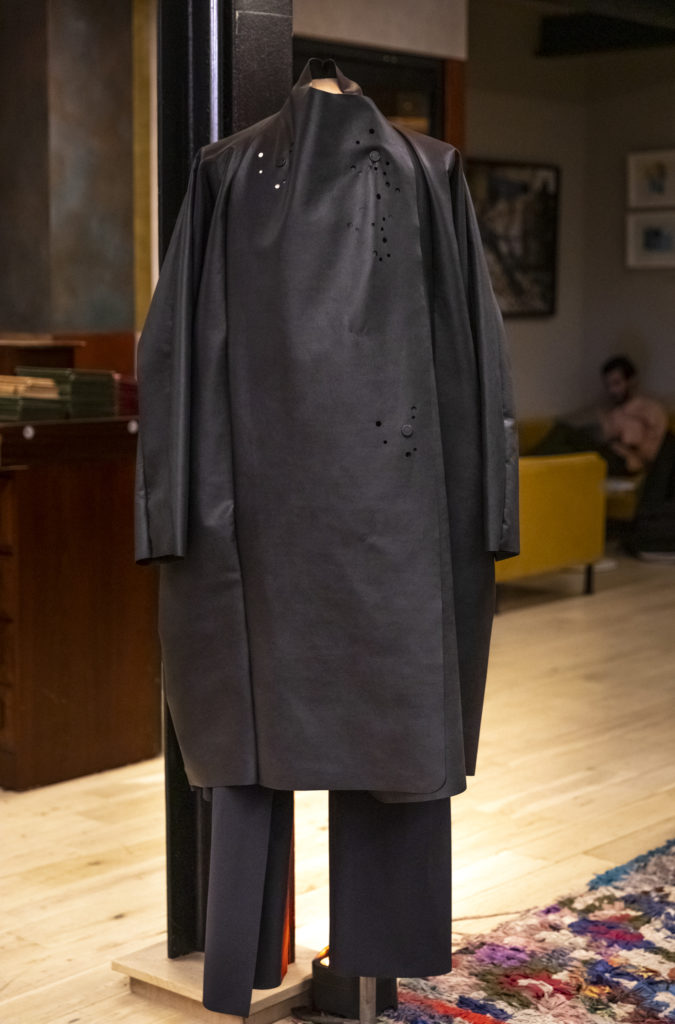
Additionally, we will unveil an exclusive showcase featuring emerging designers and brands that recently completed Evo Fashion – a business support programme delivered by Fashion District and Evo Learning, funded by London & Partners as part of the Grow London Early Stage programme. Don’t miss out on the chance to meet the designers and innovators shaking up the future of sustainable fashion.
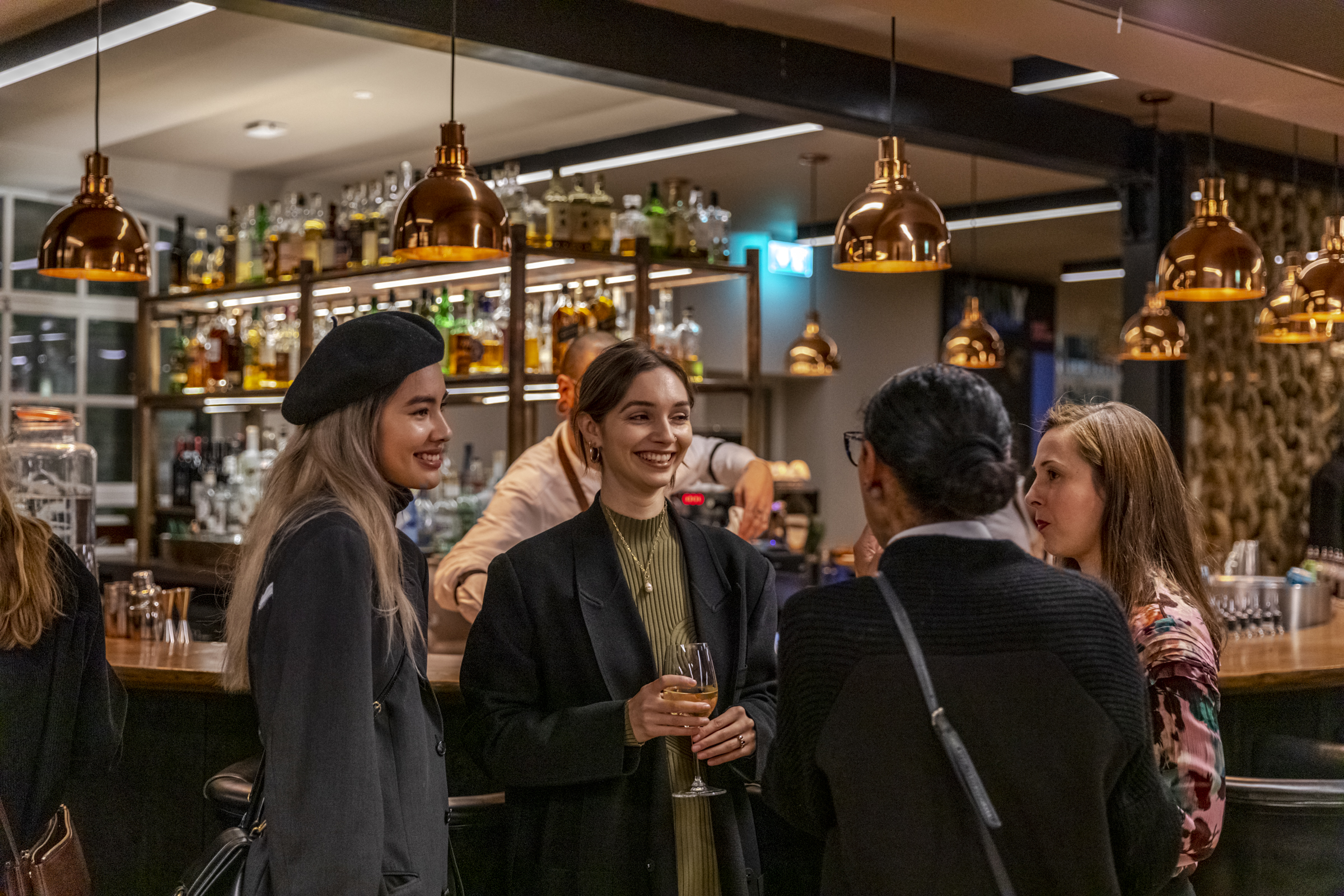
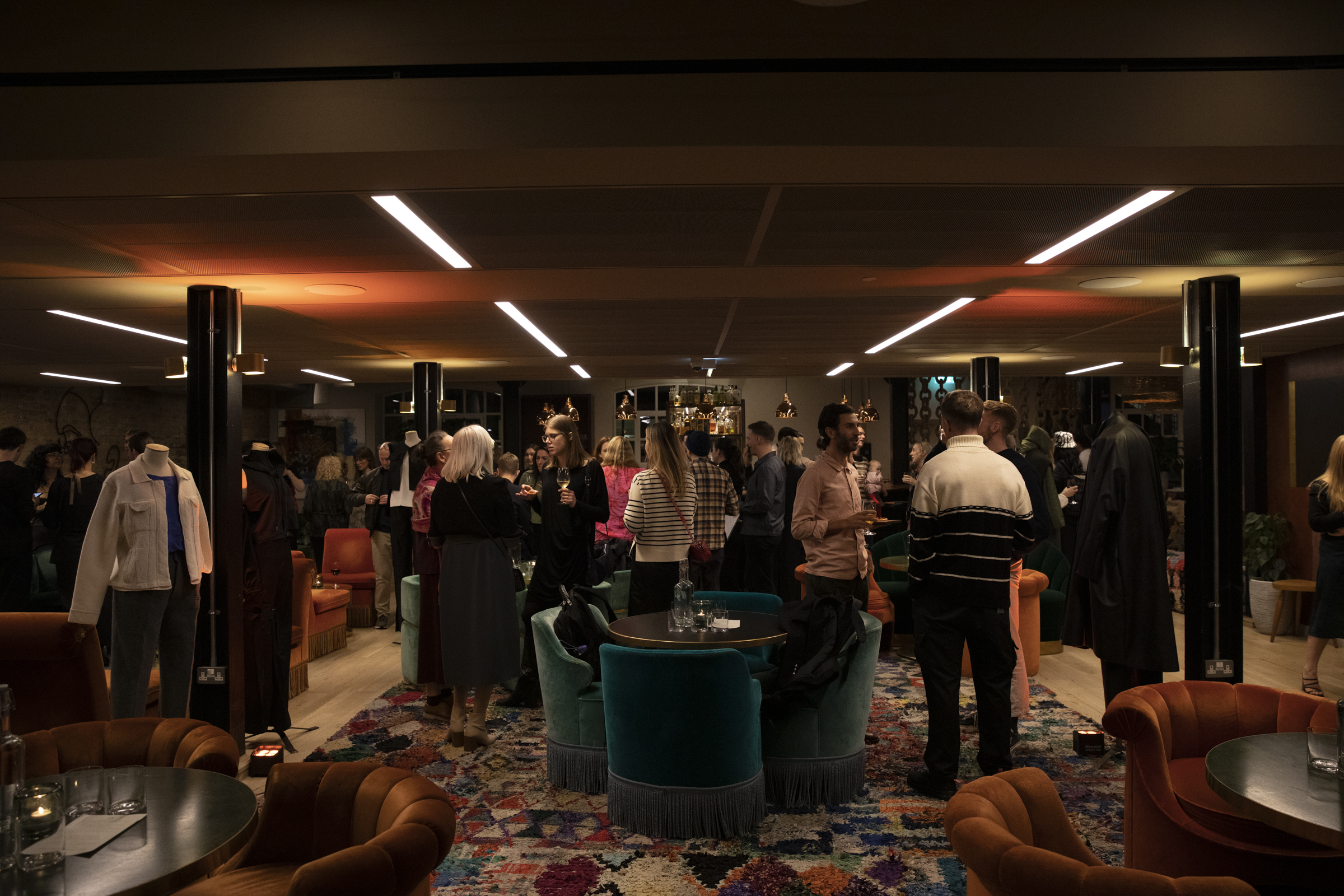
The evening will conclude with networking, drinks and nibbles.
Agenda:
About The Challenge
Fashion District’s annual Innovation Challenges are designed to address pressing industry issues and support emerging innovations and SMEs. This year, we’re focusing on manufacturing and are seeking technological and sustainable solutions capable of tackling the complex challenges facing fashion manufacturing. This could include anything from:
We also seek to encourage tech solutions, including those from other sectors, that could be applied to fashion manufacturing and help create interdisciplinary connections between technologists and engineers, and fashion creatives and manufacturers.
Applicants will be in with the chance to win cash prizes, business support, and the opportunity to pitch to some of the industry’s leading brands and innovators.
MEET OUR JUDGES
Adam Mansell | CEO, UKFT
Adam is the CEO of UKFT. Having joined the industry 25 years ago, he has worked across a wide number of trade bodies, representing all aspects of the fashion and textile supply chain. Additionally, Adam is Chair of the Future Fashion Factory, Board Member at the University of Leeds’ School of Design Industrial Advisory Board, and Vice President of Ginetex, the international care labelling organisation, as well as holding positions at CAPITB Trust, Textiles 2030 and the Institute for Positive Fashion.
Georgia Parker | Innovation Director, Fashion For Good
Georgia Parker leads the Validation Team at Fashion for Good, where her team oversees scouting, intelligence, and supply-chain-wide pilots. Their work is focused on addressing industry knowledge gaps and validating the performance and impact of innovations to ensure they are viable for global brands. Georgia and her team specialize in managing the complex, multi-stakeholder workstreams required to prove the potential of sustainable technologies.
Lauren Bartley | Sustainability Innovation Manager, GANNI
Lauren Bartley is Chief Sustainability Officer at contemporary fashion house, GANNI, where she leads the company’s global sustainability and innovation strategy, spanning climate, materials innovation, circularity and social impact. Since 2018, she has been instrumental in embedding sustainability into GANNI’s commercial, creative and operational decision-making, positioning the brand as a leader in responsible fashion.
Philly Grogan | Sustainability Manager, Nobody’s Child
Philly heads up Sustainability at Nobody’s Child, overseeing the London-based label’s delivery on topics including circularity, supply chain, and preferred materials. Originally from a design background, a longstanding curiosity of the impact of materials directs her work and she finds great enjoyment developing solutions to mitigate the industry’s environmental and social impact through innovative, alternative, and regenerative processes.
Matthew Drinkwater | Head of Fashion Innovation Agency at UAL: London College of Fashion
Matthew is a world-renowned expert in emerging technologies and their application to the creative industries. A specialist in immersive technologies (XR/MR/AR/VR), he and his team are building pathways for a truly digitised world. Named as a ‘fashion-tech trailblazer’ by Draper’s and a ‘pioneer and a visionary’ by Wired, Matthew has delivered ground-breaking experiences and a stunning range of projects that have captured the imagination of both the fashion and technology industries.
GUEST SPEAKER
Muchaneta ten Napel
Muchaneta is the Founder and CEO of Shape Innovate, working at the intersection of fashion, sustainability and policy to advance climate-smart and socially just value chains. She advises the Munich Fashion Award, has contributed to UNFCCC Global Innovation Projects, and serves as an International Consultant to the International Trade Centre (WTO–UN). She lectures at London College of Fashion and serves on the EIT Culture & Creativity Ethical, Legal and Social Issues (ELSI) board.
Subscribe to our newsletter for the latest Fashion District updates, and follow us to keep up-to-date with our events and opportunities:
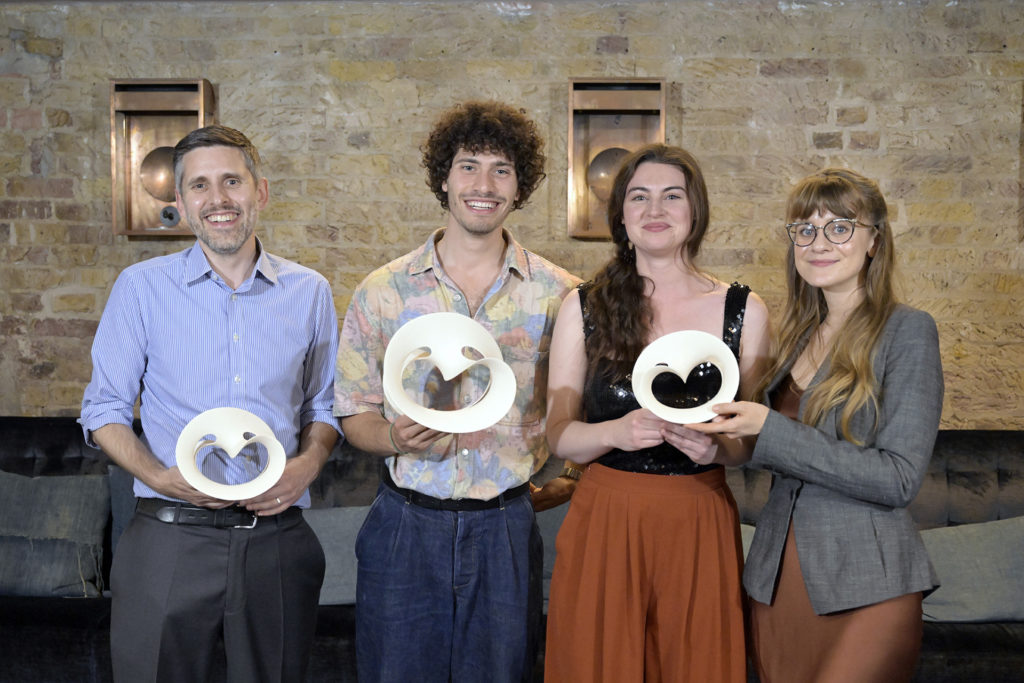
Fashion District announced the winner and runner-ups of Manufacturing Futures 2024 at an Awards Evening hosted in The Conduit’s Ubuntu Lounge.
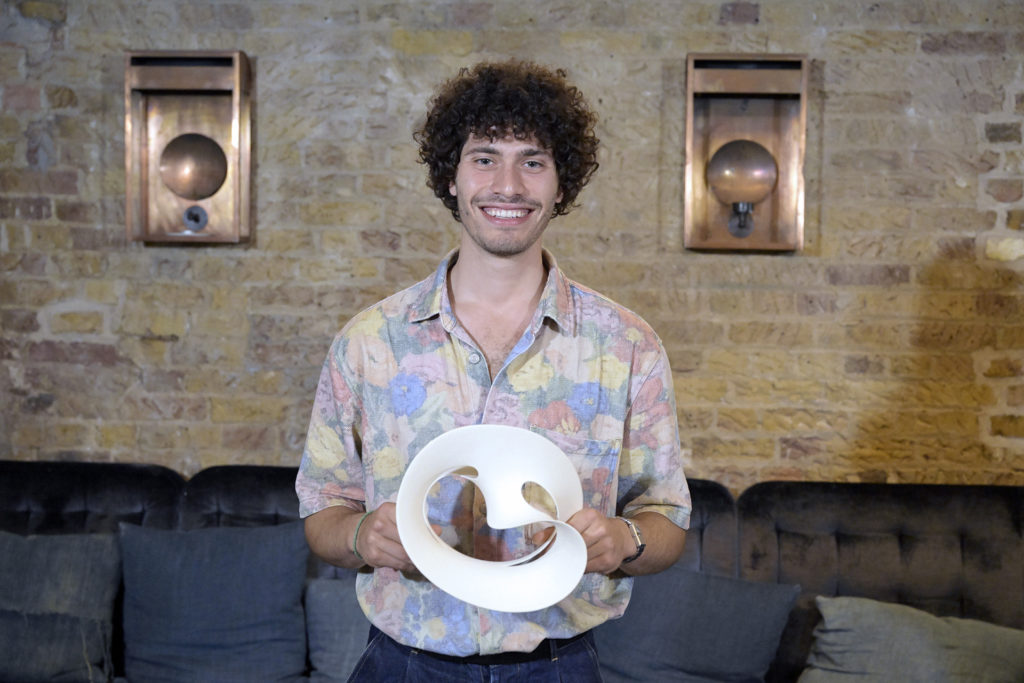
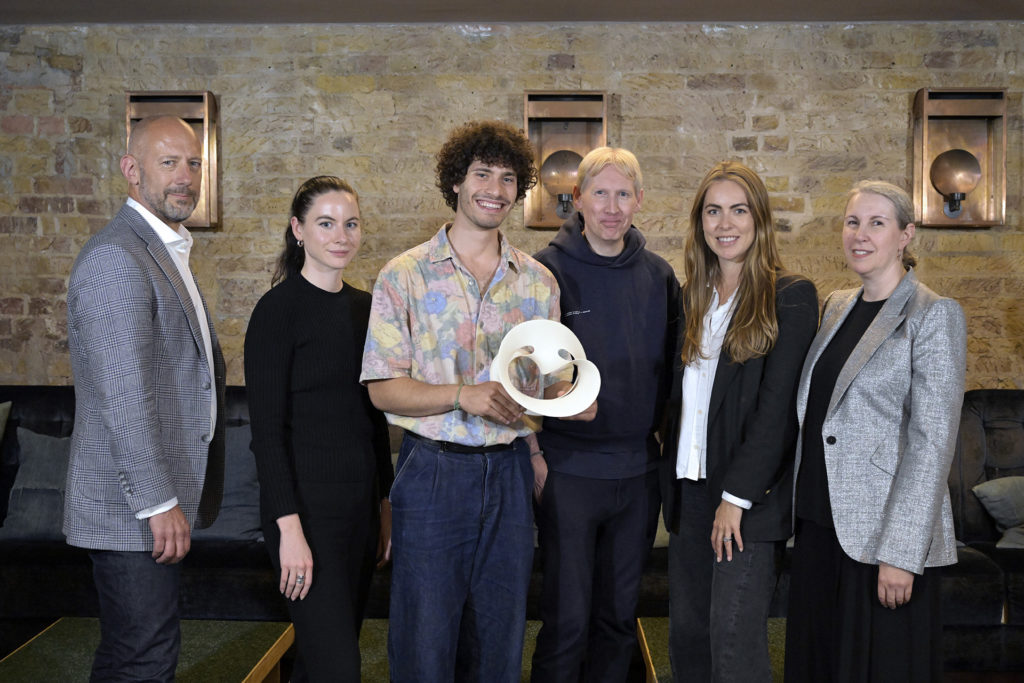
Fashion District has announced Fibe as the winner of its 2024 Manufacturing Futures Innovation Challenge. Fibe is a material science startup developing the world’s first textile fibres out of potato harvest waste. The company is developing the most scale, affordable and sustainable textile fibres with comparable performance to mainstream materials. They will receive £15,000 to advance their innovation and grow their business.
The winner was chosen by a judging panel of industry experts, including Ella Gould, Head of Sustainability and Innovation at Selfridges; Chelsea Franklin, Head of Advanced Concept Design at PANGAIA; Gillian Lipton, sustainability consultant most recently at Alexander McQueen; Matthew Drinkwater, Head of Fashion Innovation Agency at London College of Fashion, UAL; and Adam Mansell, CEO of UKFT.
Ella Gould, Head of Sustainability and Innovation at Selfridges and Manufacturing Futures judge, said:
“I feel so energised and hopeful after seeing such a broad spectrum of pitches solving problems across fashion’s entire value chain. The judges were unanimous in Fibe winning this year’s award. The energy in the room after their pitch was palpable and we so look forward to seeing them take their fiber innovation to the next level. Who knew potatoes were so exciting!”
Idan Gal-Shohet, co-founder of Fibe, commented:
“I’m really excited about winning the Manufacturing Futures prize. I’ve known many of the start-ups in this programme for a long time and have so much respect for them, which is why winning this prize means so much to us. The funding will be used to expand our business, so we are able to harvest a variety of different crops and create better conditions for farmers around the world. Our mission in the end is to create materials that use far fewer environmental resources than what’s currently available. Thank you so much to the judges and organisers for giving us this great opportunity to grow Fibe.”
The runners-up, who will each receive £5,000 for their business, include Sequinova, who are making biodegradable sequins out of cellulose; and Fab Materials, who are converting hard to recycle fashion waste into valuable boards and composites, such as furniture.
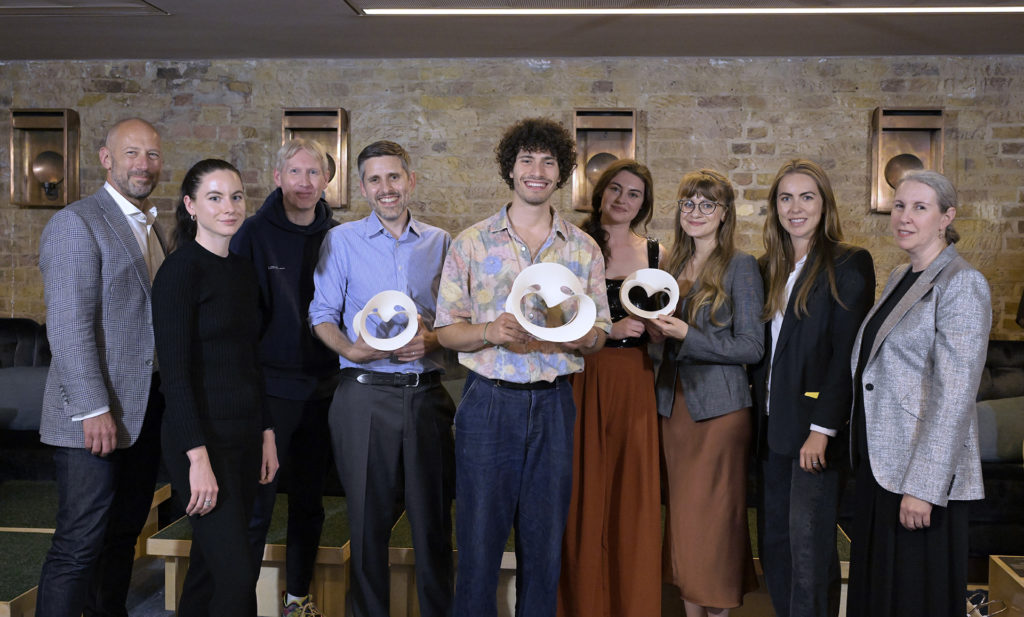
Helen Lax, Director of Fashion District commented:
“Congratulations to Fibe for winning this year’s Manufacturing Futures Innovation Challenge. I am thoroughly impressed by the talent and creativity of all the start-ups who took part in this year’s challenge and am hopeful for the future of the industry. There’s plenty we can do to improve and start-ups like these take us one step closer to achieving tangible change.”
The following brands were also part of the 2024 iteration of Manufacturing Futures: Innovation Challenge:
We would like to thank The Conduit for hosting the Manufacturing Futures Innovation Challenge awards ceremony, and everyone that joined us to celebrate.
All images: Christian Sinibaldi
Stay up-to-date on our latest events and opportunities by following us on Instagram and LinkedIn:
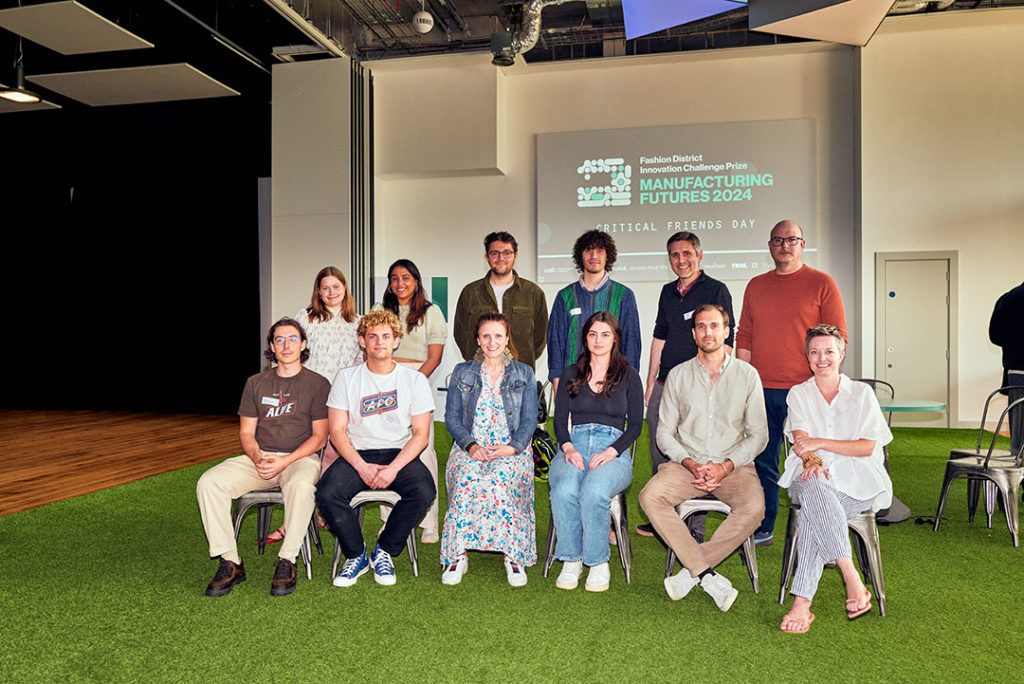
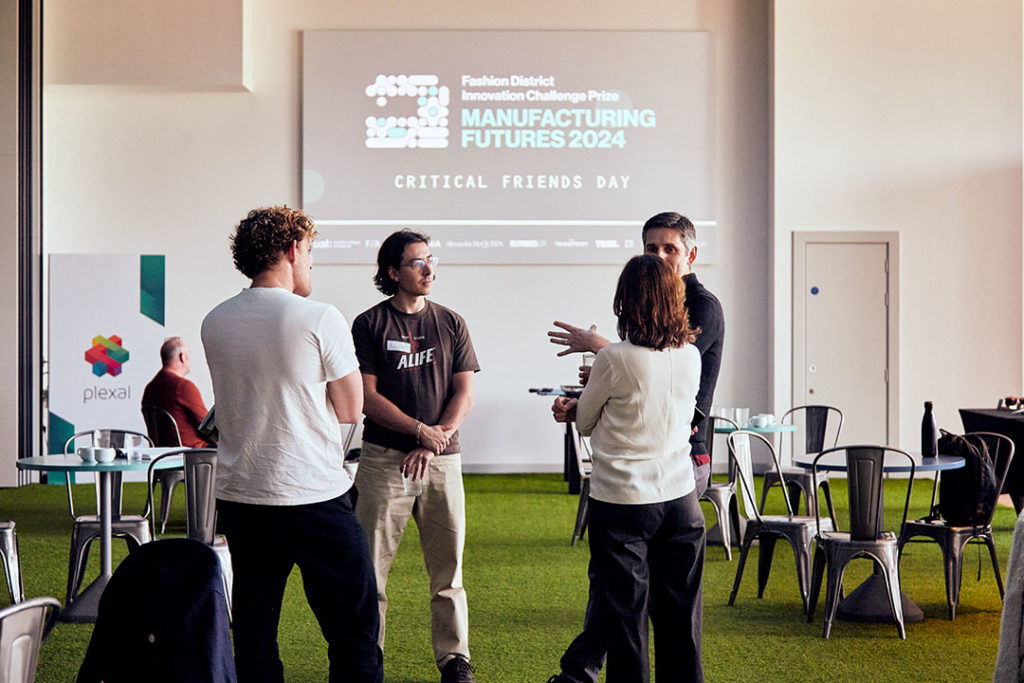
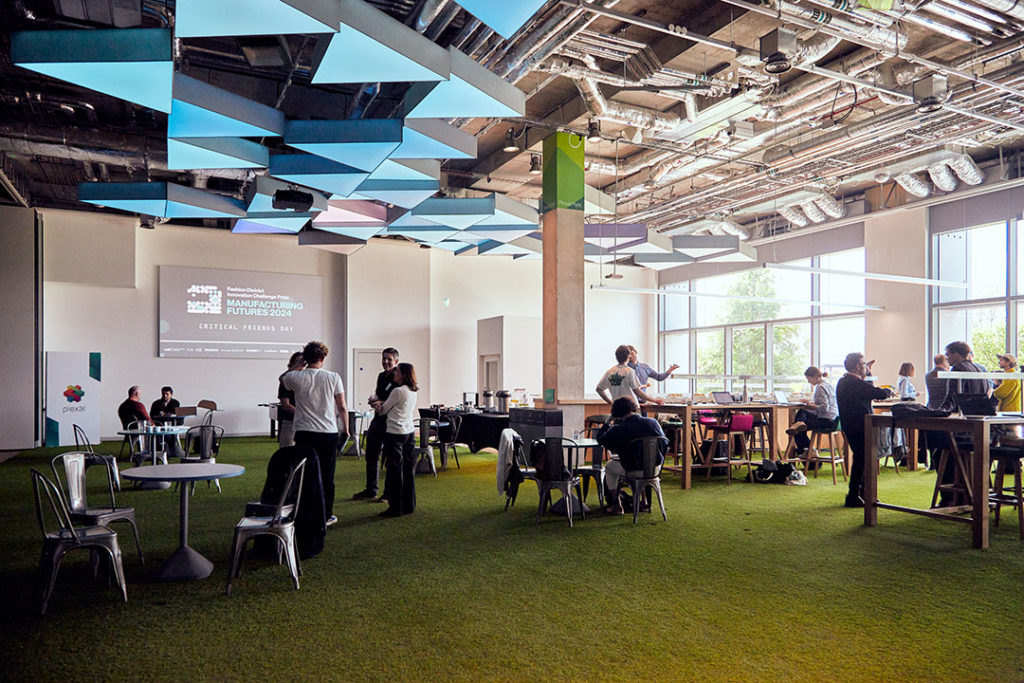
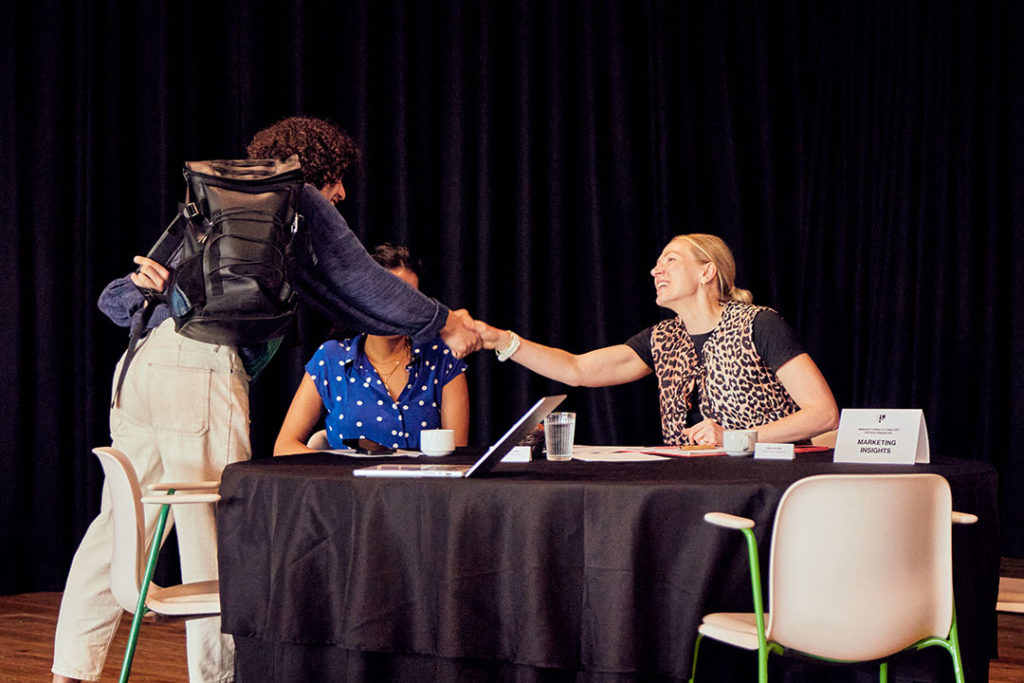
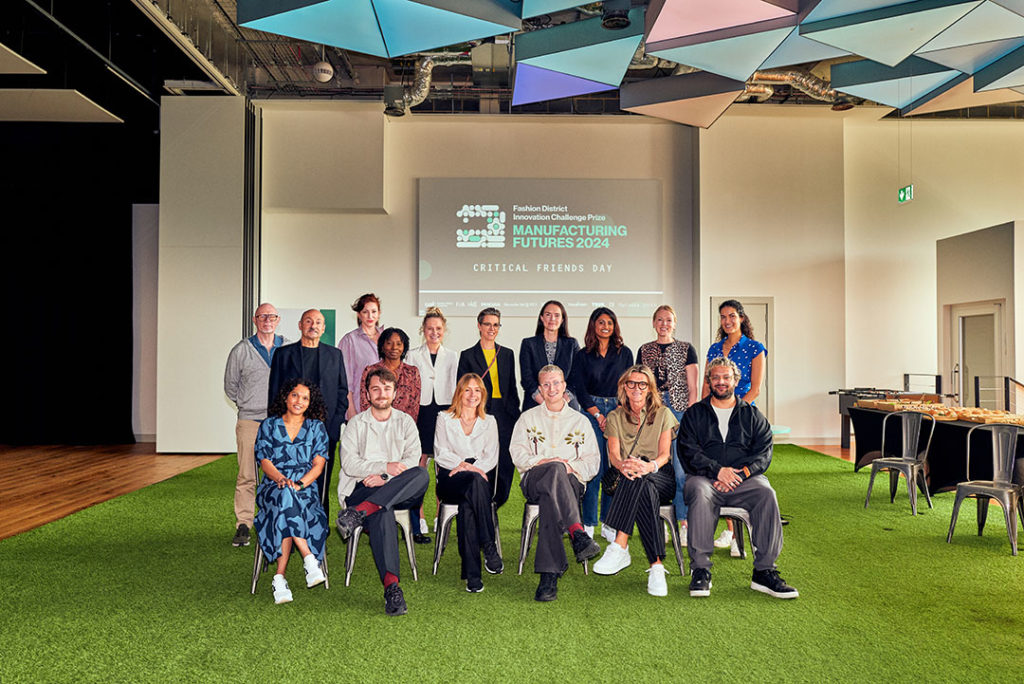
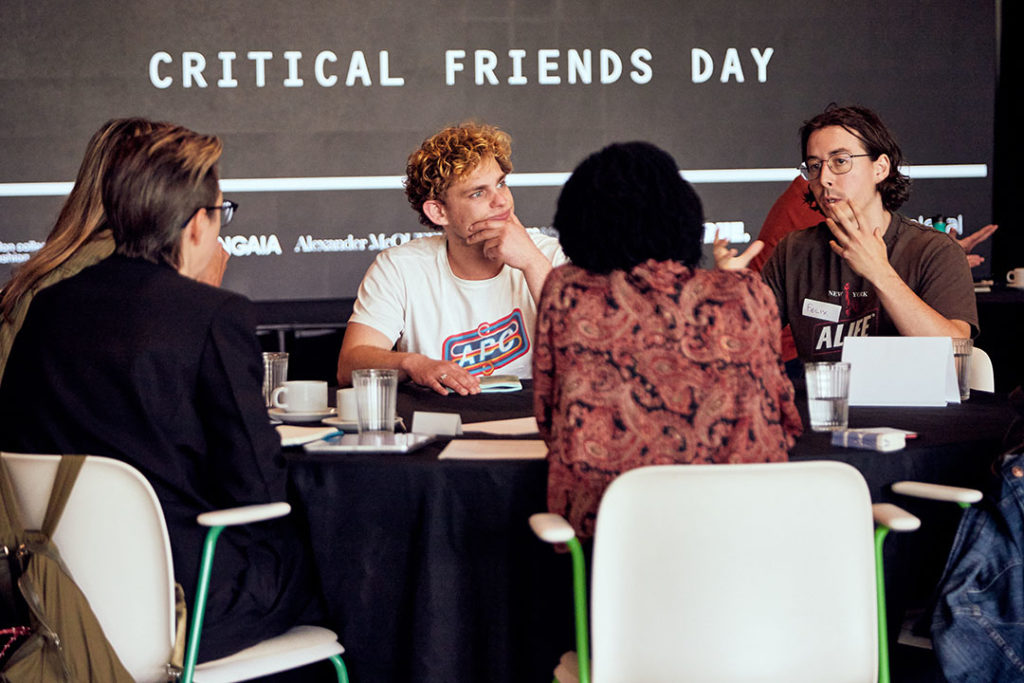
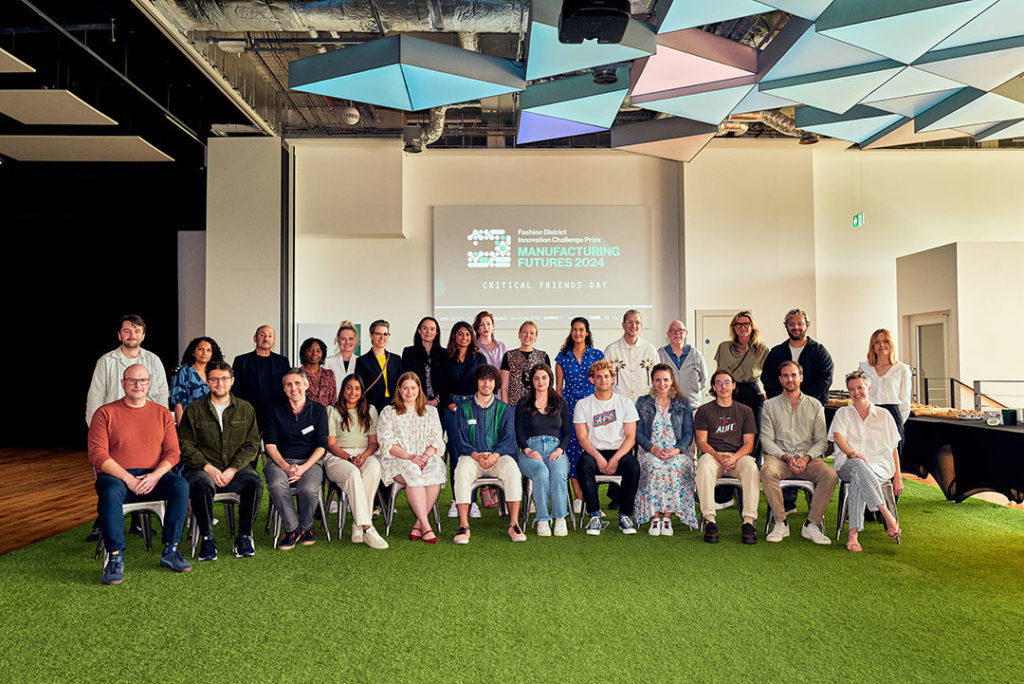
Last week, we gathered our 10 shortlisted businesses at Plexal’s Innovation Centre for Critical Friends Day, officially launching our 2024 programme.
Taking over the spacious venue, the day was meticulously organised for our 10 shortlisted businesses – Arda Materials, Fibe, Fab Materials, Oxford Biopigments, TRUSS, Sequinova, Zori Tex, Fiiba, PACT, and The Seam – to present their businesses to industry experts and receive valuable feedback ahead of their final presentation to the judges.
Manufacturing Innovation and Sustainability
Manufacturing Production
Investment Insights
Marketing Insights
Business Growth and IP
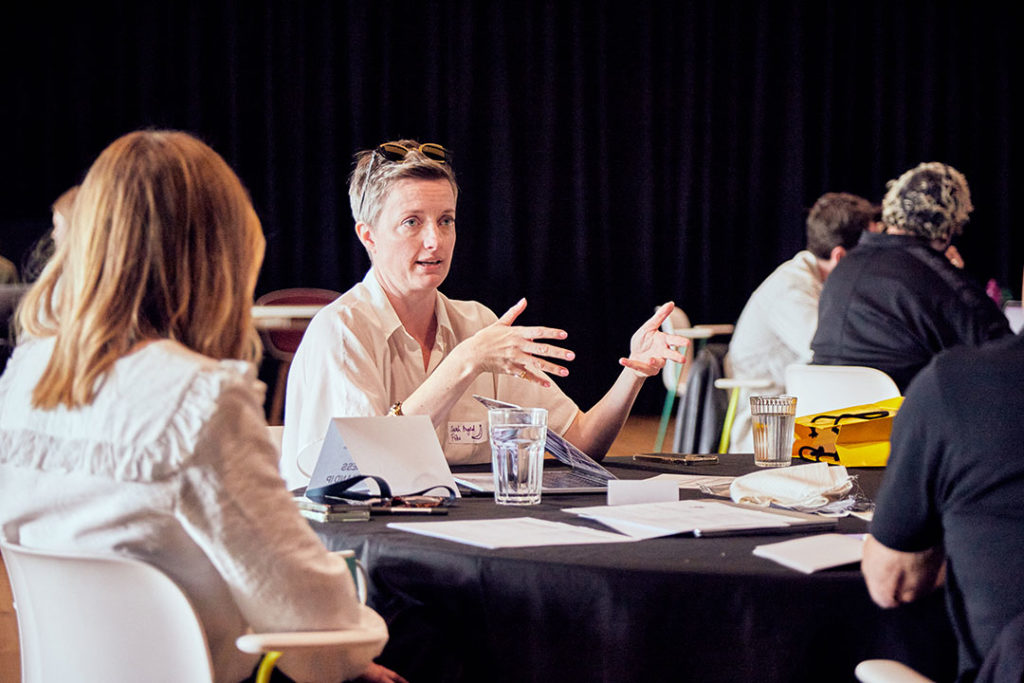
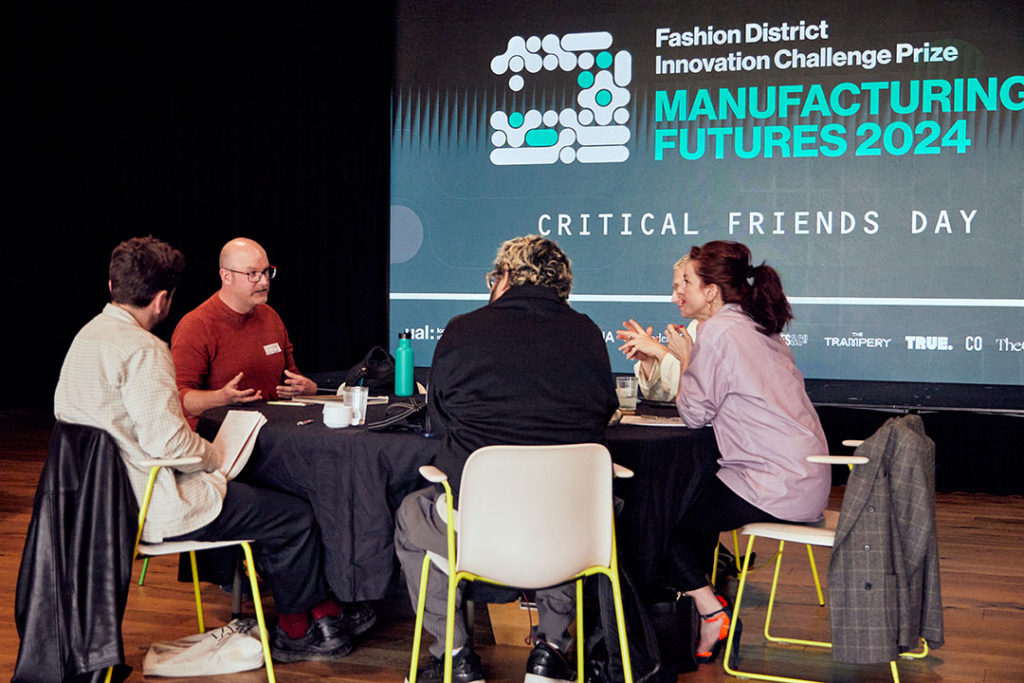
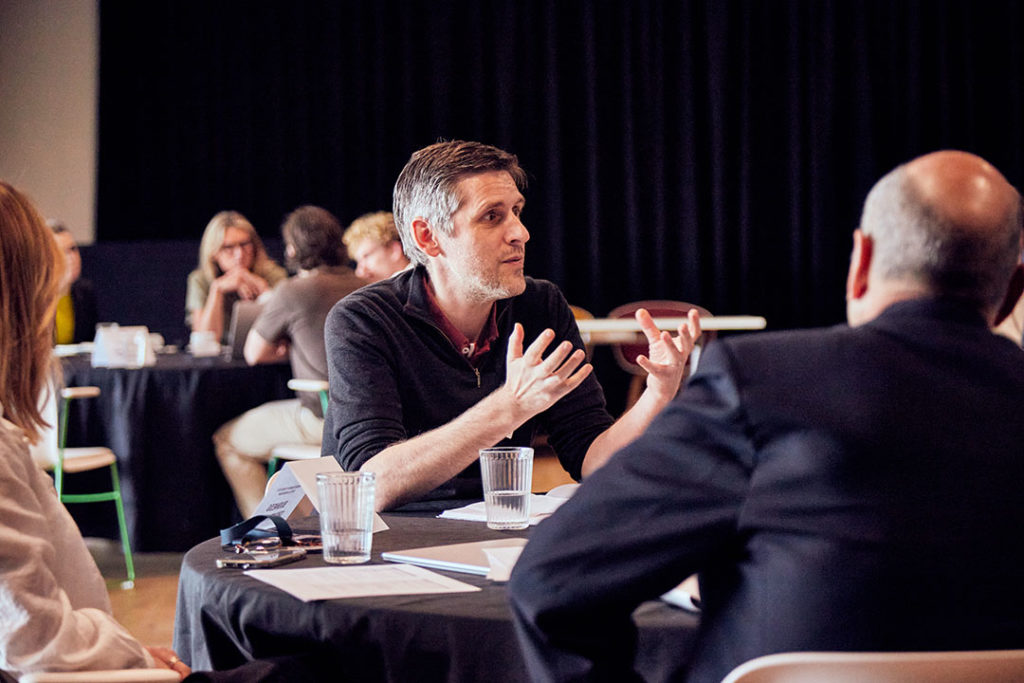
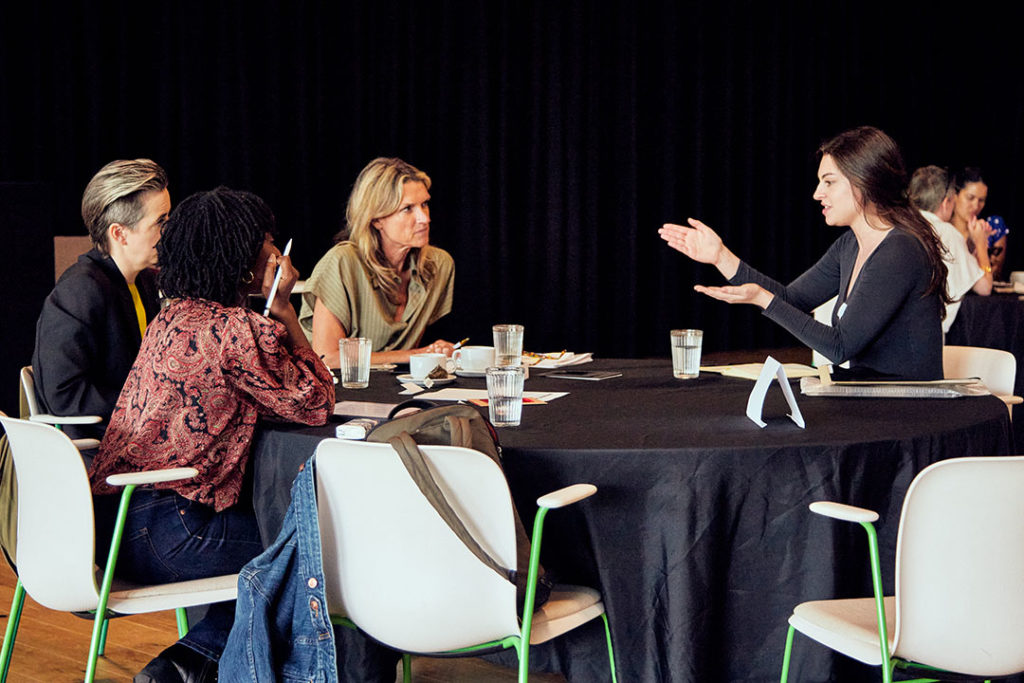
Empowered by real-time feedback on their businesses, many of the startups left with actionable steps outlined by the critical friends to help elevate their growth. Throughout the day, breaks in the timetable provided ample opportunities for the businesses to get to know each other, fostering the exchange of ideas, opportunities, and mutual support.
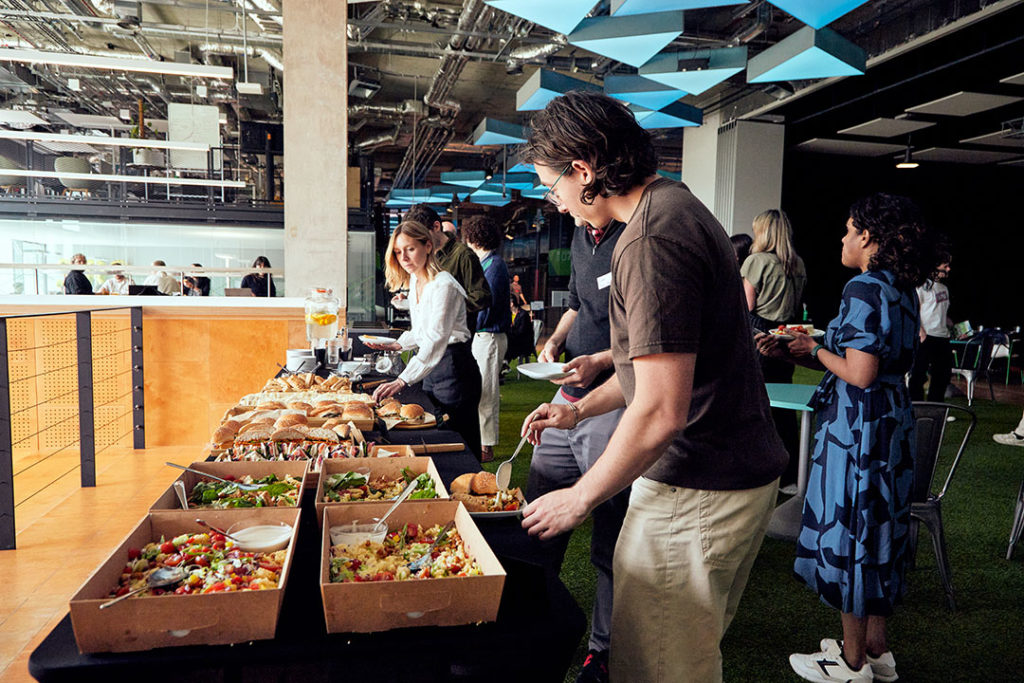
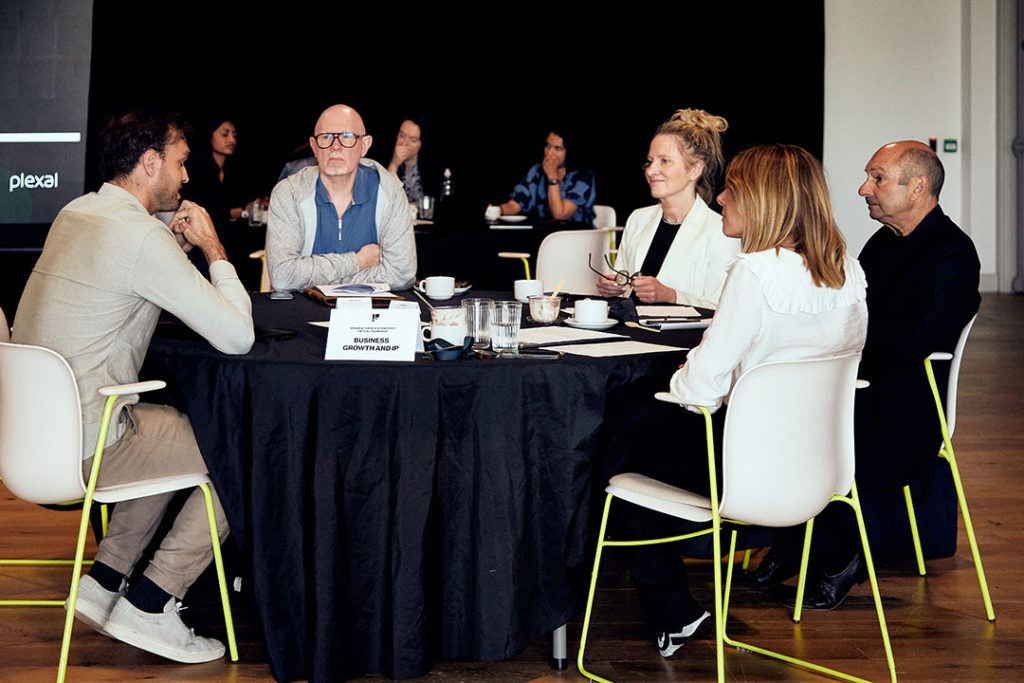
Fuelled by the high energy in the room, the day proved to be a resounding success, leaving our shortlisted businesses eagerly anticipating our upcoming event, the Development Day on 30th May. Closing the event, the startups were given the opportunity to offer feedback about their experience. Woody Lello, CEO of TRUSS, spoke on behalf of them all, saying, ‘It was a really fun day!’
Stay up-to-date on the latest Manufacturing Futures 2024 news by following us on Instagram:
Fashion District has announced the shortlist of 10 start-ups and SMEs in its coveted Innovation Challenge: Manufacturing Futures programme.
As part of the programme, the brands have the chance to win a £15,000 cash prize to develop their sustainable manufacturing business to make an impact on the fashion industry, chosen by a judging panel of experts in July.
The shortlisted start-ups are:
Helen Lax, Fashion District Director said:
“It is incredible to be part of something that has the potential to change the way an industry works and make a real impact for future generations. The shortlist of brands in this iteration of Manufacturing Futures is spectacularly strong, and one can’t help but be amazed by the sheer talent and innovation held by the next gen of changemakers.”
The shortlist was chosen by the Manufacturing Futures judging panel, consisting of industry experts Ella Gould, Head of Sustainability and Innovation at Selfridges; Chelsea Franklin, Head of Advanced Concept Design at PANGAIA; Adam Mansell, CEO of UKFT, Gillian Lipton, Sustainability Director at Alexander McQueen; and Matthew Drinkwater, Head of Fashion Innovation Agency at London College of Fashion, UAL.
Winners from the previous Innovation Challenges include Lone Design Club, a platform where independent brands and conscious shoppers meet; Sparkbox, a retail planning and optimisation platform powered by machine learning; and Biophilica for their entirely plant-based, compostable leather alternative, Treekind.
Fashion District was founded in 2018 with a goal to bring together fashion, technology, business and education in east London to meet, compete, collaborate and innovate. Fashion District works with a number of different partners to facilitate support programmes helping to develop a strong, sustainable network within the UK fashion industry. Spearheaded by Director Helen Lax, Fashion District is supported by London College of Fashion, UAL, and the Mayor of London.
Arda Biomaterials
Arda Biomaterials transforms globally abundant waste and co-product streams into scalable, animal, and plastic-free biomaterials. Arda’s first transformation is turning spent grain from the beer brewing and whisky distilling industries into a novel, leather-like material called New Grain, for use in fashion, automotive, and other sectors.
Fab Materials
Fab Materials are on a mission to deliver planet scale upcycling of the world’s post-consumer fashion waste. Our breakthrough solution addresses the 90M tonnes of clothing that’s sent to landfill or incinerated annually. We convert hard to recycle fashion waste into valuable boards and composites.
Fibe
Fibe is revolutionising the industry by engineering cutting-edge technology to extract cellulosic fibres from potato harvest waste. This untapped waste, which amounts to 150M tonnes annually and cannot be fed to livestock or compost, has the potential to provide 70% of global non-synthetic clothing demand. Our fibres use 99% less water, produce 82% less CO2e and require no land compared to cotton.
Fiiba
Fiiba is a next generation textile developer, scaling sustainable materials for the fashion industry made from 100% agricultural waste. Fiiba fibre has 1/10 the carbon footprint of conventional cotton and a 100% transparent supply chain. Fiiba raises low-income farmers out of poverty by paying for their waste and providing free organic fertiliser (a natural by-product of Fiiba’s innovation) that promotes long-term soil health.
Oxford Biopigments
Oxford Biopigments (OBP) mission is to solve key problems associated with sustainable textile dyeing. To this end we have developed a world first in plant-based, sustainable dyes: naturally lightfast dye molecules, modified to work without additional binding agents, that are easily blended to generate new colours and are compatible with existing dyeing machinery. Crucially, our dyes have equivalent technical performance to modern synthetic dyes without the harmful environmental impact.
PACT
PACT designs elegant biomaterials made in harmony with the planet Earth. We’re committed to helping the world’s most innovative companies dream without boundaries. Our first biomaterial Oval is inspired by generations of leather artisans and master craftspeople, Oval is a supple material made from collagen sourced from industrial by-products. It’s a highly scalable material that offers designers unparalleled flexibility whilst minimising environmental impacts across the entire production process.
Sequinova
Sequinova is a pioneering biomaterials company, revolutionising the textiles industry with cutting-edge biodegradable sequin materials. Plant-based, non-toxic, and available in a variety of colours and effects, we’ve partnered with the world’s leading manufacturers in Europe and Asia to deliver production-ready eco textiles at scale.
The Seam
The Seam delivers wardrobe care & repair at scale, pairing local, specialist Makers with people and brands to keep fashion out of landfill, and in the loop. The Seam is the fastest growing care and repair service in the UK powered by intelligent tech. Their network of specialists includes tailors, cobblers, leather restorers, knitwear menders, skewer cleaners, embroidery artists and so much more.
TRUSS
TRUSS is a London-based fashion technology SME focused on enhancing the second-hand fashion market through AI solutions and in-depth research. TRUSS aims to simplify the resale process through instant access to actionable data, removing the need for online research and manual data entry, while prioritising information and narratives.
Zori Tex
Zori Tex is a climate tech start-up on a mission to drive circularity in the hugely resource intensive fashion and textiles industry through innovative AI-powered technologies – combining machine vision and the latest deep learning networks to optimise the sorting and availability of complex non-reusable feedstocks, ready for closed loop recycling.
This year’s Manufacturing Futures prize will include:
Stay up-to-date on our latest opportunities by following us on Instagram and LinkedIn:
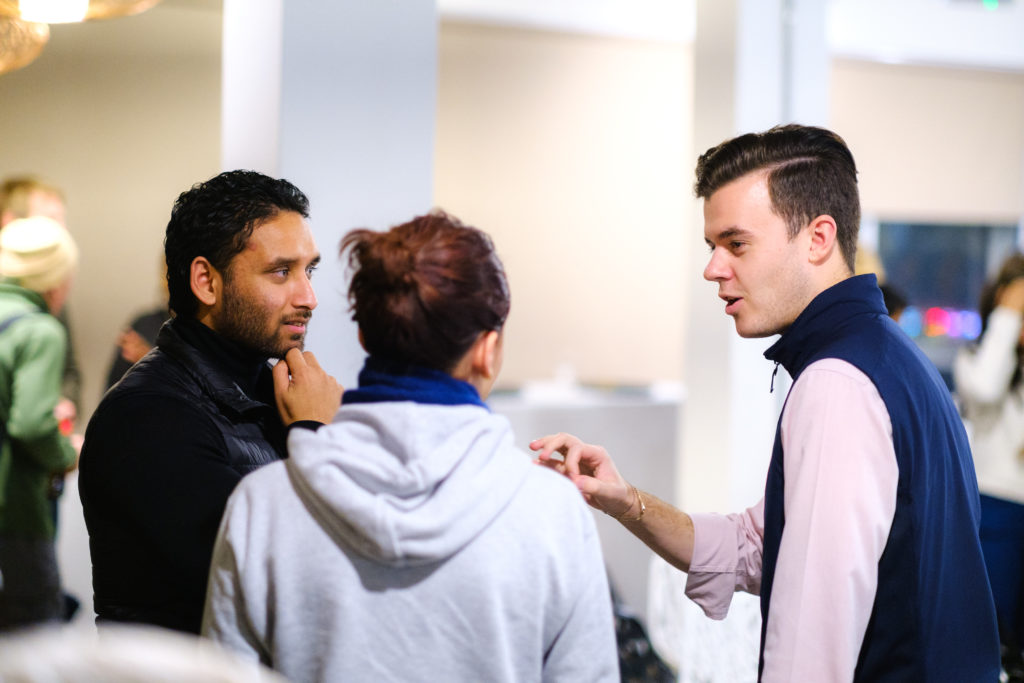
Last week we celebrated the launch of Manufacturing Futures 2024 at a sold-out event at The Trampery.
Marking Fashion District’s sixth innovation challenge, this year the focus is on technological innovations and sustainable solutions that are solving any of the complex fashion manufacturing challenges facing the industry. Helen Lax, Director of Fashion District, described the event as a gathering of individuals that share ‘the same ethos, values and ideas for the future of fashion and sustainability.’
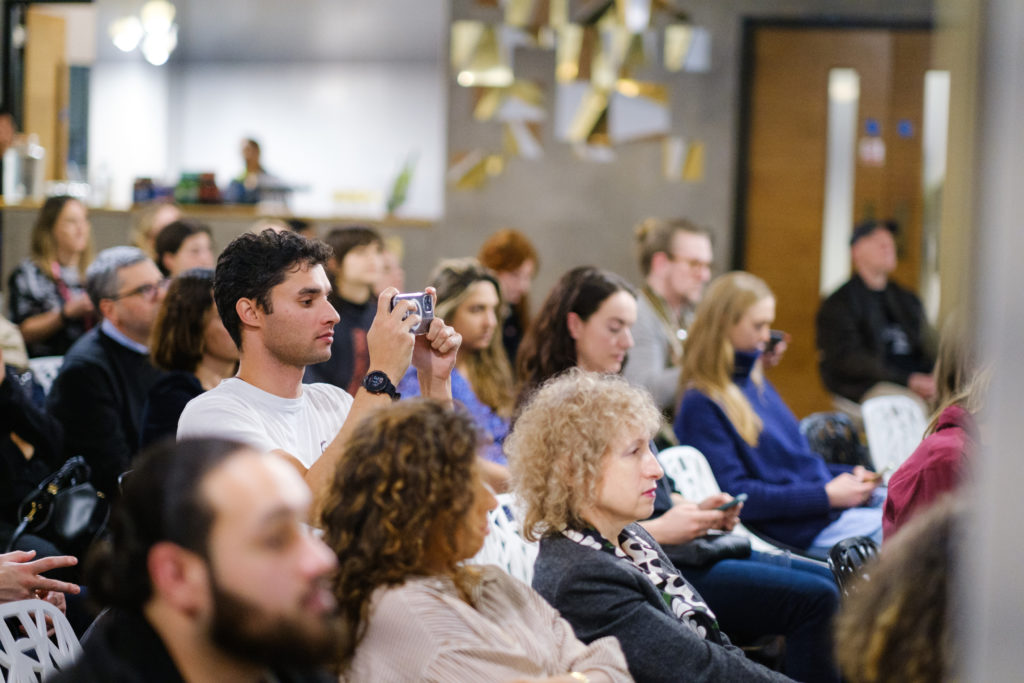
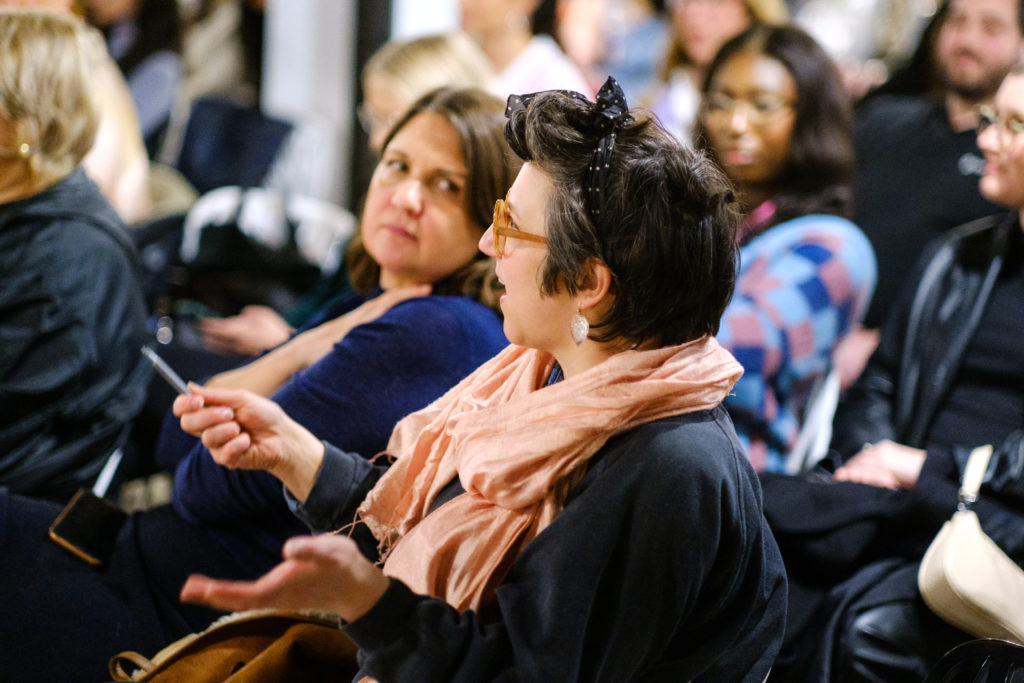
Kicking off the event was keynote speaker Lauren Bartley, Chief Sustainability Officer at GANNI, who gave insight into GANNI’s strategy and how they work with innovation. ‘GANNI has a very very ambitious goal to reduce its carbon emissions by 50% by 2027,’ Lauren said. ‘The materials we use account for 50% of our carbon impact, making this our primary window of opportunity. It’s also where Ganni should focus as materials represent one of our most significant decarbonisation levers.’
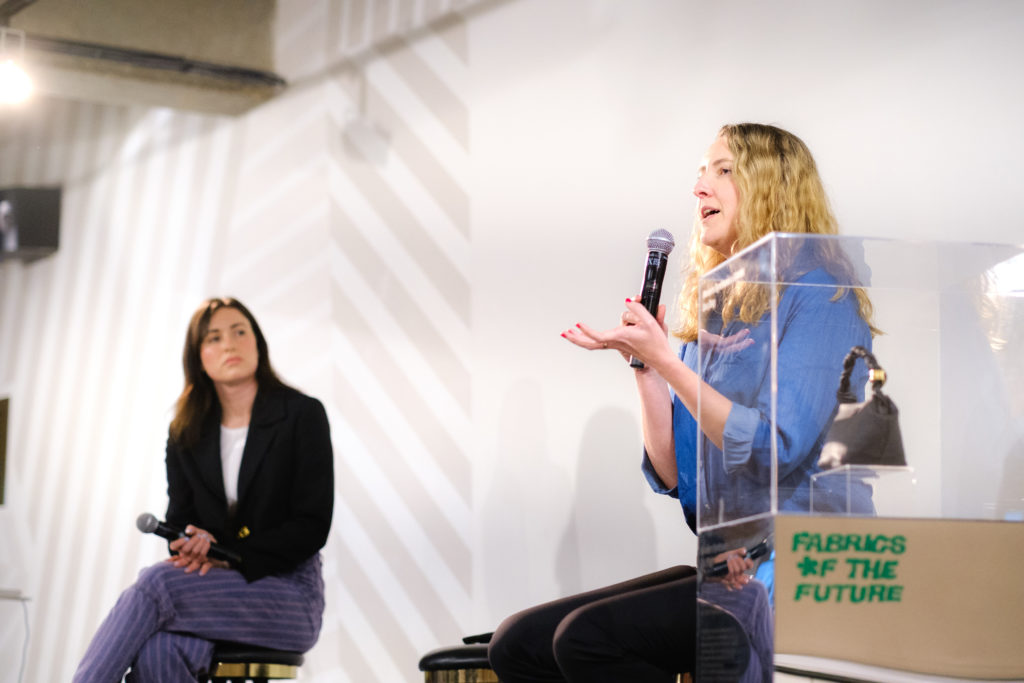
Lauren also highlighted GANNI’s Fabrics of the Future initiative. ‘Fabrics of the Future is an internal research and development hub that scans the market for fabrics that will change the industry. At this point we’re working with thirty different material creators that have solutions or new innovations for materials. By 2025 the goal is that 10% of our materials should be coming from fabrics of the future.’
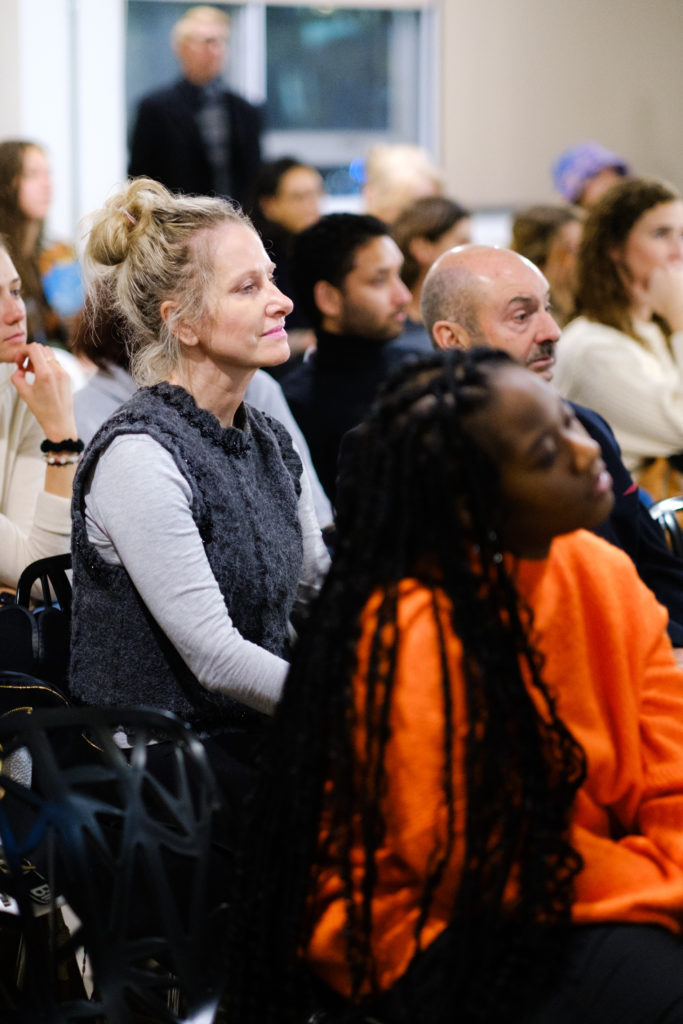
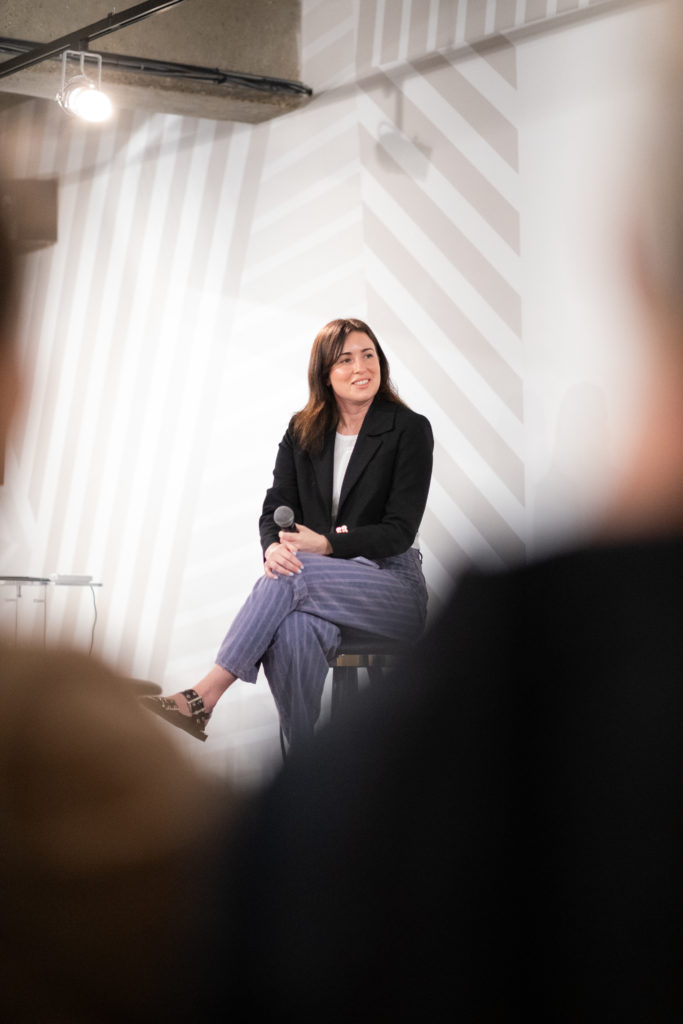
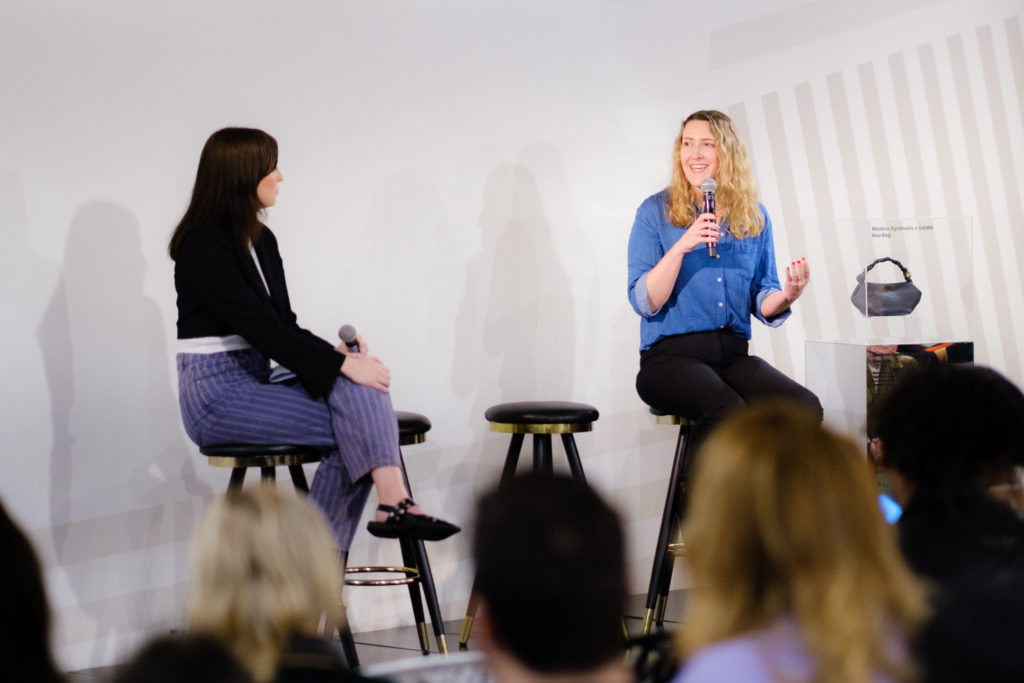
One of the material creators GANNI have collaborated with is London-based biotech company Modern Synthesis. Lauren invited Jen Keane, CEO of Modern Synthesis, on stage to discuss their recent partnership.
Having developed a new class of biomaterials, Modern Synthesis works with bacteria to produce a type of non-woven textile that can be used to displace materials like leather, and in the future replace a wide variety of coated textiles. Modern Synthesis partnered with GANNI to reimagine their staple Bou Bag in their new innovative bacterial nanocellulose material. The handbag was unveiled at the London Design Festival 2023.
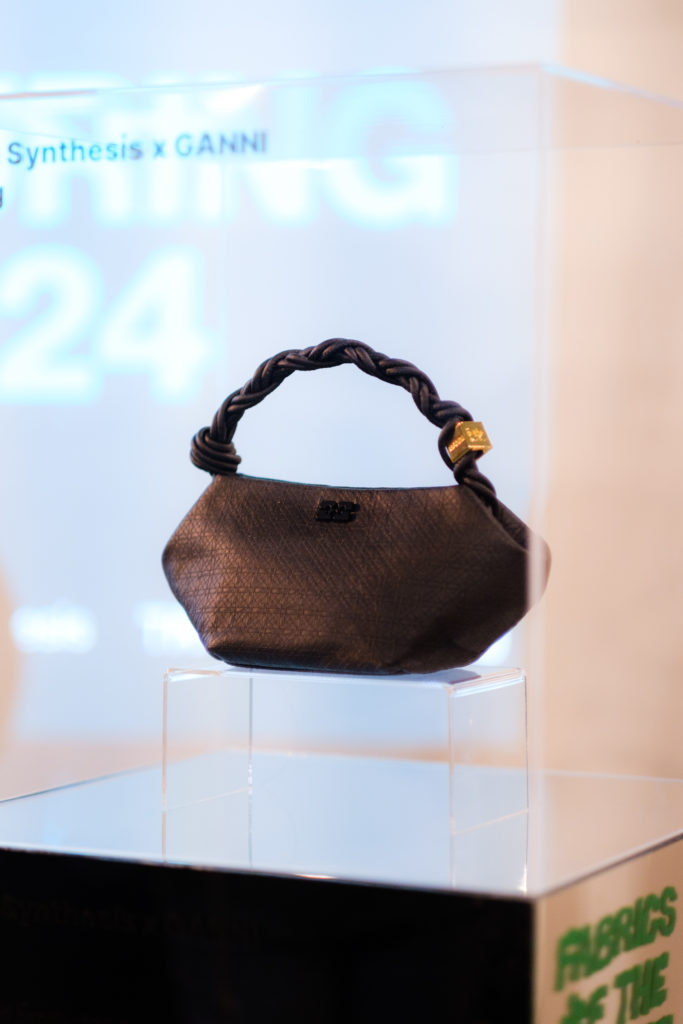
Explaining why Modern Synthesis reached out to GANNI to propose a potential collaboration, Jen said, ‘As a startup that makes materials, we can’t do it all. We need to actually make the impact that we want to drive and so we have to get it into a product. We need brands and partners across the whole supply chain to make that possible. We contacted GANNI because they have such a strong perspective in this space and actually take action. Very few brands have innovation departments.’
Lauren rounded up the conversation by saying: ‘I hope that what you’ll take away from our talk today is that GANNI relies heavily on innovations like Modern Synthesis to meet our sustainability goals, and vice versa. Jen needs brands like GANNI to secure investment and effectively implement these technologies. It’s important not to underestimate the value of partnership.’’
Offering one final tip to the audience Jen said, ‘Don’t give up! It’s hard but we’re gonna get there. My biggest advice is to collaborate as much as possible. You can’t do everything yourself. Figure out what you’re good at, what you’re not good at, and find friends to do the things you’re not good at.’
Helen Lax then took to the stage to introduce this year’s innovation challenge, Manufacturing Futures 2024. ‘This year, we’re seeking innovative ideas, businesses, and startups that can benefit the fashion industry by offering sustainable solutions for various aspects of the supply chain.’
To be eligible for the challenge, applicants must have a tech-based solution, be a registered business, and either be operating in the UK or have plans to pilot or operate in the UK. The winner will take home £15,000, as well as receiving business support from PANGAIA, one-year complimentary UKFT membership, one-year workspace membership at The Trampery and one-year platform membership from Common Objective. The runners-up will receive £5,000 each, one-year UKFT membership and one-year platform membership from Common Objective.
Finalists will attend a one-day event in May where high-level industry professionals will act as ‘critical friends’ to support and challenge their business proposition, and provide constructive feedback; as well as two Development Days focused around production and investment. Finalists will also be invited to join the celebratory Fashion District Innovation Awards and Investment Supper in July, attended by influential members of the fashion, tech and investment industry.

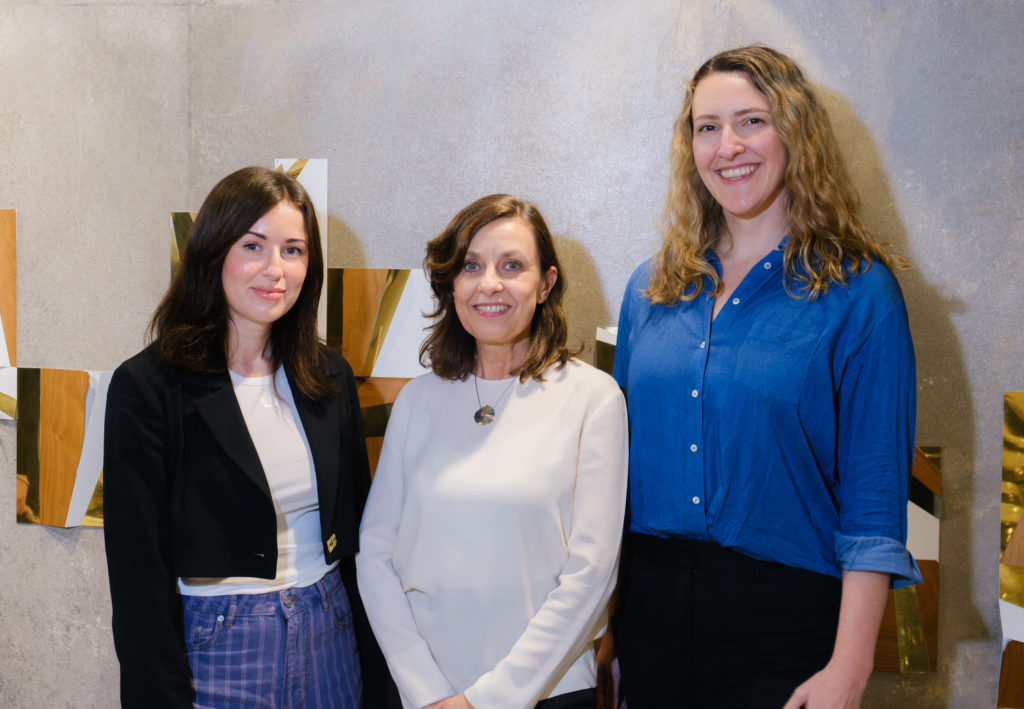
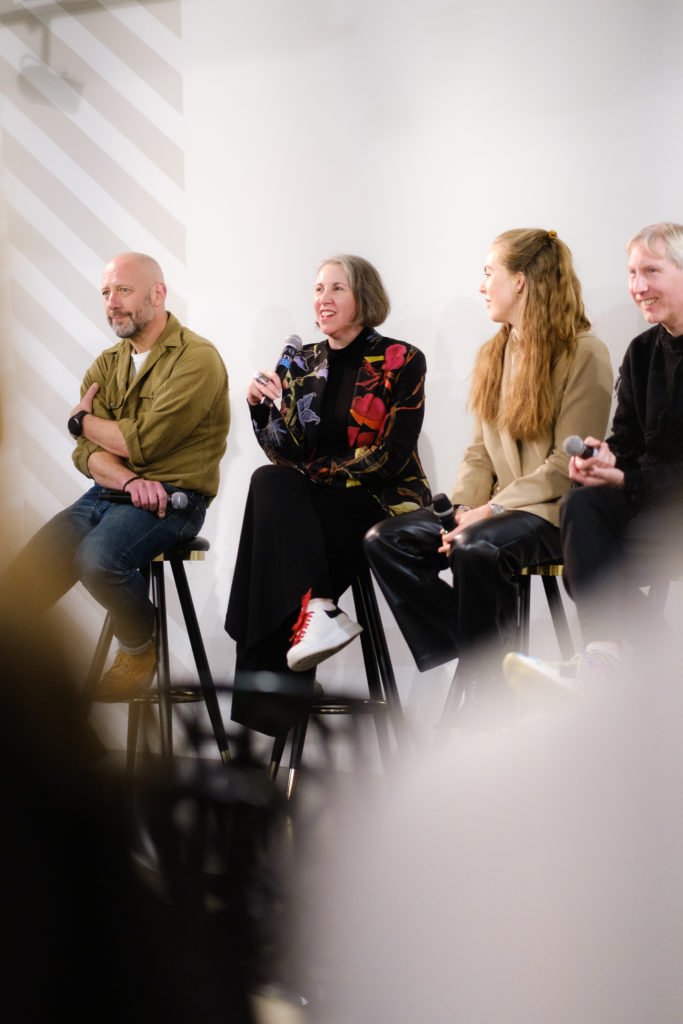
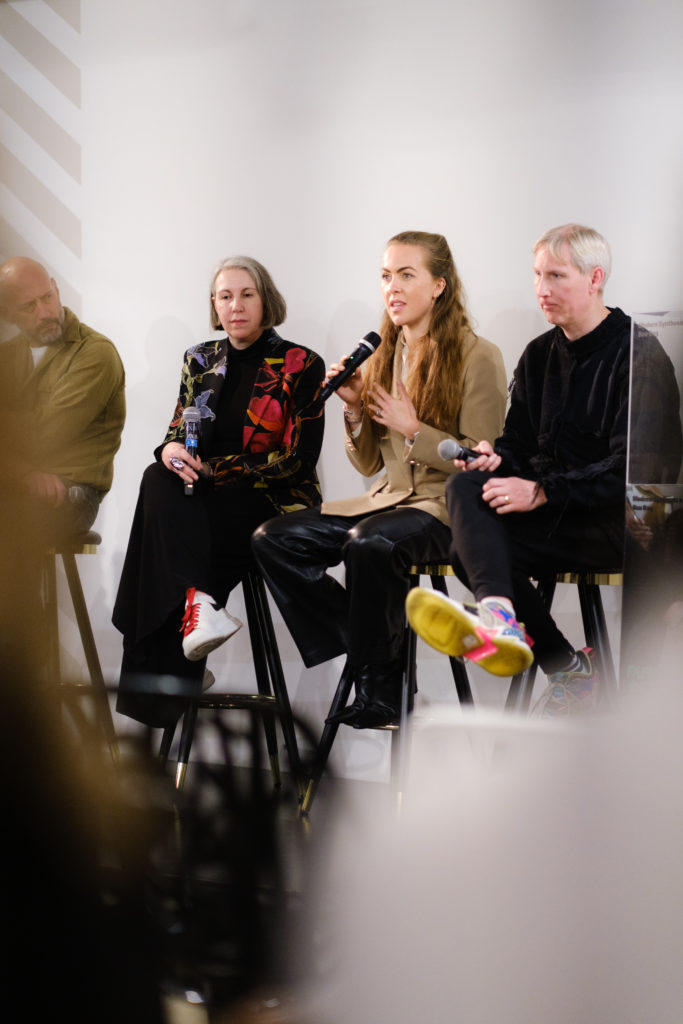
After running through the details of this year’s manufacturing challenge, it was time to hear from our incredible judging panel: Chelsea Franklin, Head of Advanced Concept Design, PANGAIA; Adam Mansell, CEO, UKFT; Gillian Lipton, Head of Sustainability, Alexander McQueen; Ella Gould, Head of Circularity and Innovation, Selfridges, and Matthew Drinkwater, Head of Fashion Innovation Agency, UAL: London College of Fashion.
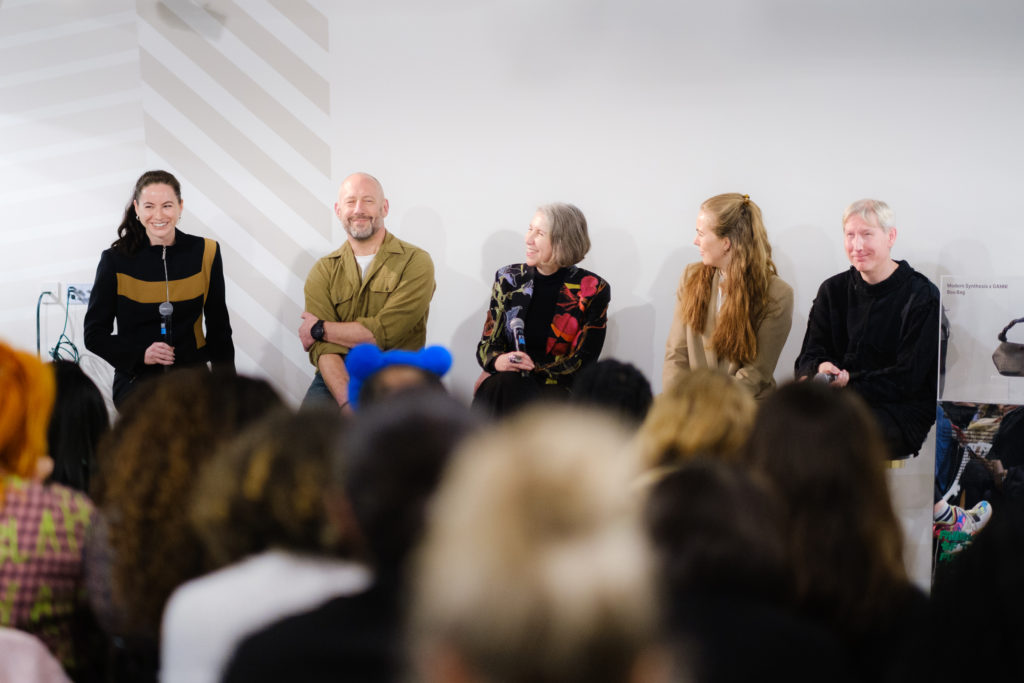
Discussing their criteria for the challenge, Matthew Drinkwater said, ‘Above all, I want to feel excitement for an application that I’m reading. It’s that magical moment…you want to transform the innovation into a real thing.’
Ella Gould added, ‘I’m always sceptical when someone comes to me with big tech and they only talk about the technology. Come to me with a problem, tell me the problem that you’re solving or why you’re doing something better. That for me is when the juices start flowing and I get really inspired.’
Gillian Lipton stressed the importance of time. ‘For me it’s all about finding a solution that is scalable, but also that I don’t have to wait too long for. I’m aware that things take time, in terms of innovation and new materials, but we don’t have time!’
Adam Mansell stated the biggest problem for him was volume. ‘I love new materials, new materials are fantastic, but if someone came up with a concept that would allow us to take all the cotton, polyester, and wool that we use, capture it, recycle it, get it manufactured in the UK, that gets my vote. You’d get lifetime membership to UKFT if you can solve that! But genuinely that’s where the problem is. That’s where the focus really needs to be.’
Chelsea Franklin urged applicants to consider the customer. ‘Functionality is obviously very important in terms of innovation performance, but also understanding how to convince a consumer to buy something, such as an alternative fabric – why? If the price is so much more significant, why should they purchase it? How do you tell that story? Build that narrative?’
The event concluded with key advice from the judges. Matthew Drinkwater advised applicants to think about clarity of message. ‘What problem are you solving? Answer all of those questions fully and critically, and you stand a really good chance of getting through.’
Chelsea Franklin echoed this. ‘Articulating your vision is a skill in itself. We want to know what problem you’re solving, problem solution framing, and why we should care. If you can answer that clearly and visually that’s my top tip.’
‘Don’t bring me something that’s been done five years ago,’ Adam said. ‘Do your homework. Do proper market research. Also read the application questions carefully and answer them clearly. Look at the finances bit, because it’s really important that you’re thinking beyond the initial. Think about what the future looks like, and don’t tell me that you’re going to be a billion pound turnover company in five years time. It’s hard work. It takes a lot of effort and collaboration and that should not be why you’re in this space, you should be in this space to solve a problem.’
Do you think you’ve got what it takes to manufacture a new sustainable solution? Want to be in with a chance of winning £15,000? Applications for Manufacturing Futures 2024 are now open!
Follow us on Instagram, LinkedIn, Facebook and Twitter to stay update-to-date on our latest events and opportunities:

Thursday 8 Feb | 18:00 – 20:30
The Ballroom, The Trampery, 239 Old Street, London, EC1V 9EY
We’re delighted to announce the launch of our next innovation challenge Manufacturing Futures 2024, hosted in partnership with The Trampery, a purpose-led enterprise providing workspace, training and management for London’s trailblazing businesses. Join us on 8th February to find out more about next year’s challenge, hear from leading figures in fashion sustainability, and network with London’s fashion, tech and innovation communities.
To help us launch the challenge, we’ll be hearing from Lauren Bartley, Chief Sustainability Officer at GANNI and Jen Keane, CEO of Modern Synthesis, one of our Manufacturing Futures 2021 winners. Lauren will present a keynote on embedding innovative sustainable solutions into a large brand, followed by a discussion with Jen about how the GANNI x Modern Synthesis partnership came about.
Afterwards, we’ll launch next year’s challenge brief, followed by a ‘meet the judges’ panel, where attendees will get the opportunity to learn more about our judges and find out their criteria for selecting the winners. The evening will conclude with networking, drinks and nibbles.
Agenda:
About The Challenge
Fashion District’s annual Innovation Challenges are designed to find solutions to current industry issues, while supporting new innovations and SMEs. Next year, we’re running our second ‘Manufacturing Futures’ challenge, to support technological innovations and sustainable solutions which are solving any of the complex fashion manufacturing challenges facing the industry. This could include anything from:
We also seek to encourage tech solutions, perhaps from other sectors, that could be applied to fashion manufacturing and create interdisciplinary connections between technologists and engineers, and fashion creatives and manufacturers.
Applicants will be in with the chance of winning cash prizes, business support, and the opportunity to pitch to some of the industry’s leading brands and innovators.
MEET OUR JUDGES
Manufacturing Futures 2024 brings together high-profile fashion, technology and sustainability experts committed to supporting the next wave of innovation. Come along to the launch to hear from our esteemed judging panel, including:
Follow us on Instagram, LinkedIn, Facebook and Twitter to receive updates about this exciting event!
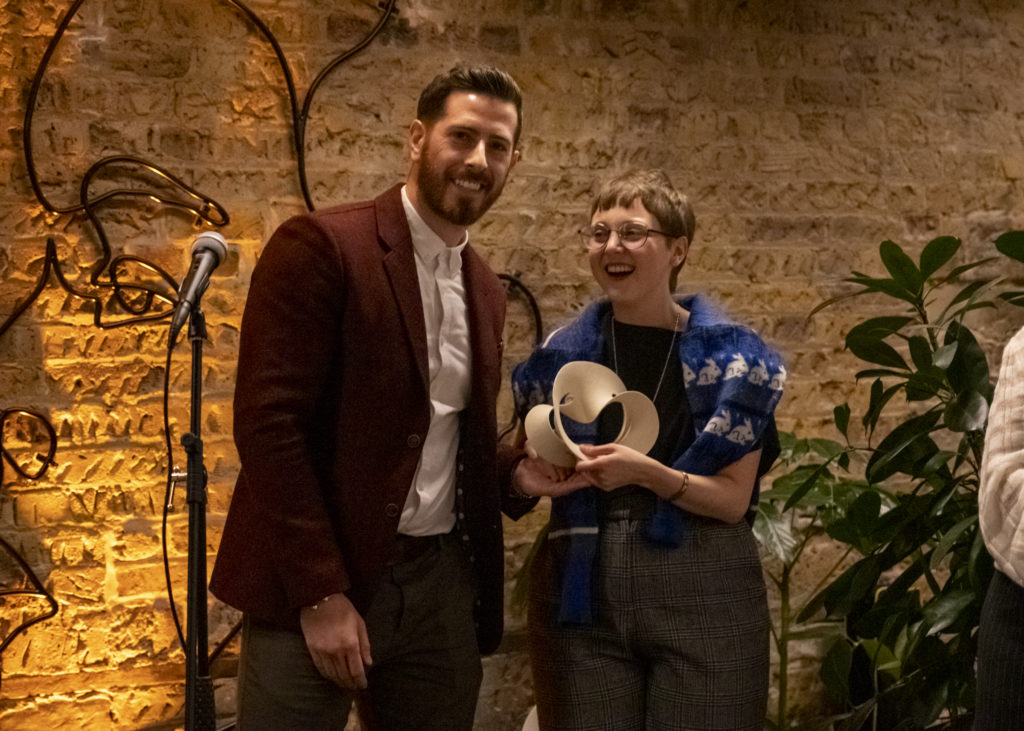
Last night we announced the winner of Design Futures 2022, supported by PANGAIA, at an Awards Supper at The Conduit in Covent Garden. Graysha Audren was announced as the winner for Weffan x Liquid Editions, a collaborative project that culminated in a 3D woven, low-waste outfit that combines two manufacturing steps into one, merging the weaving of the fabric with the creation of the garment.
The runners-up were Osmose Studio, creators of a new restorative and symbiotic clothing production model, where renewable fibres are combined with organic dyes, assisting the remediation of UK polluted land sites; and Nicci James, who uses the capabilities of wool combined with knitted structures to engineer strength into her garments without added interfacings, stabilisers, or linings, presenting a completely mono-material tailoring that is easier to reprocess.
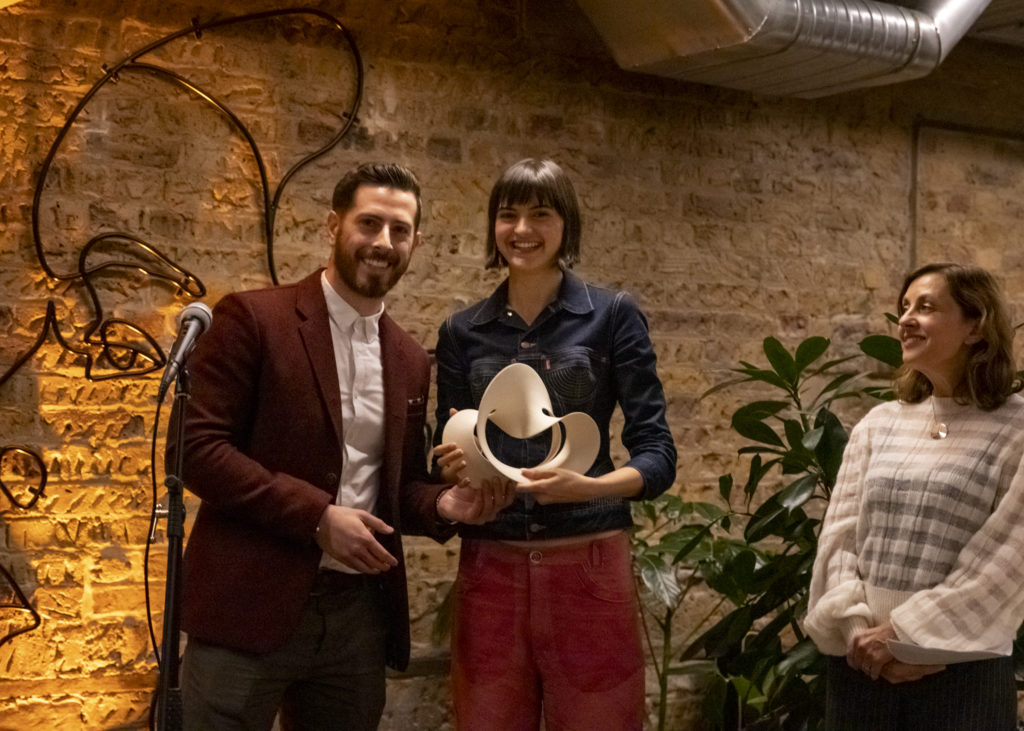
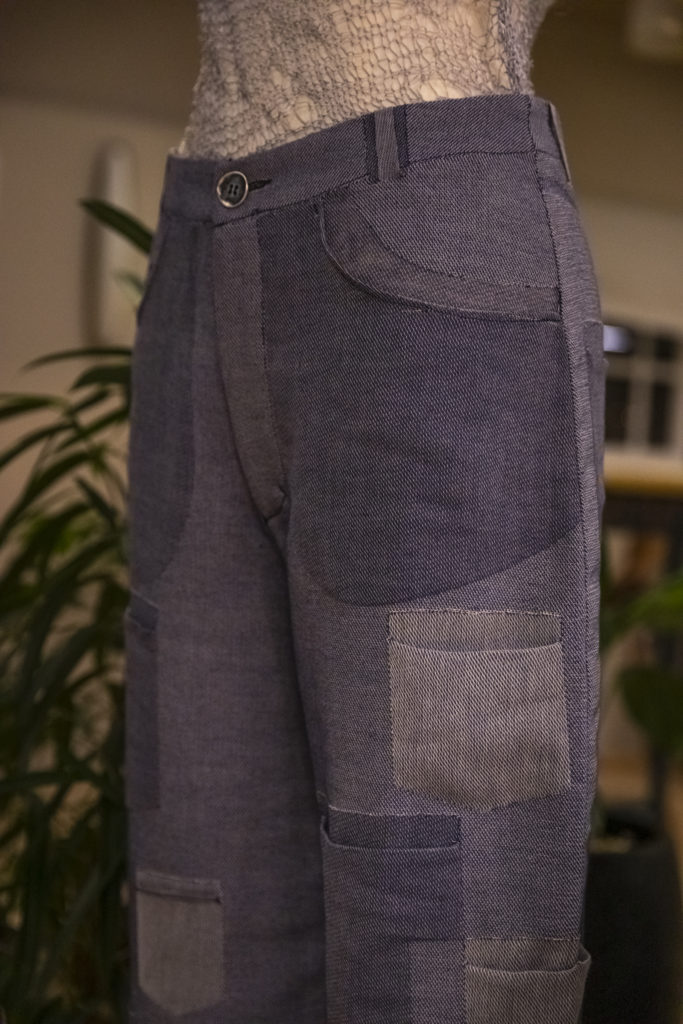
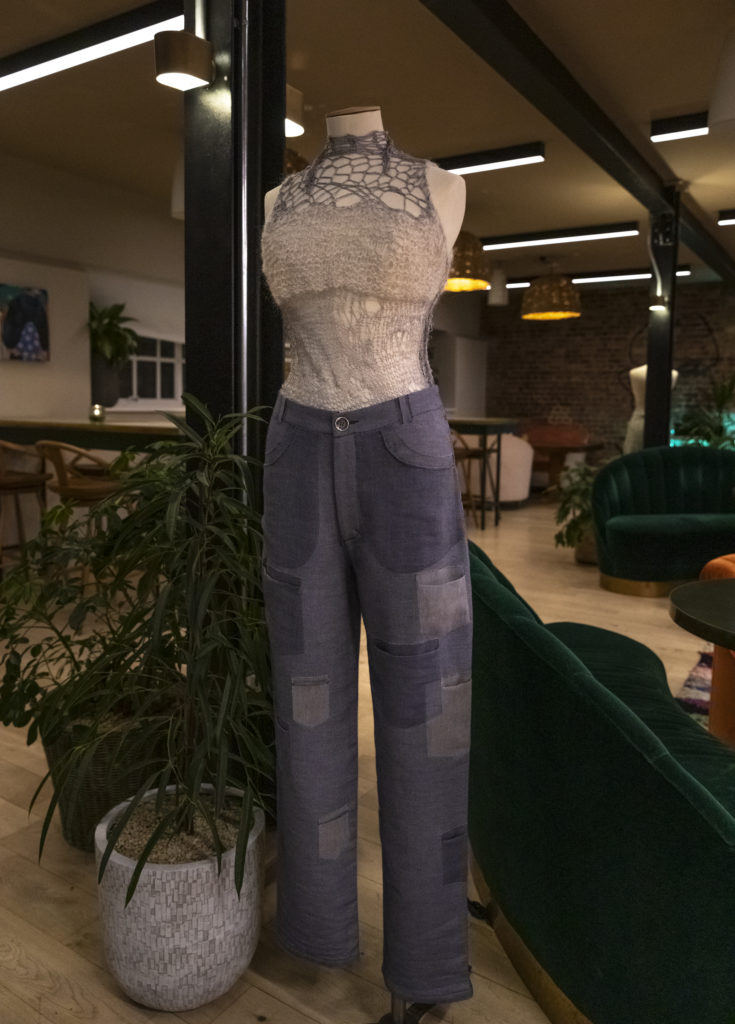
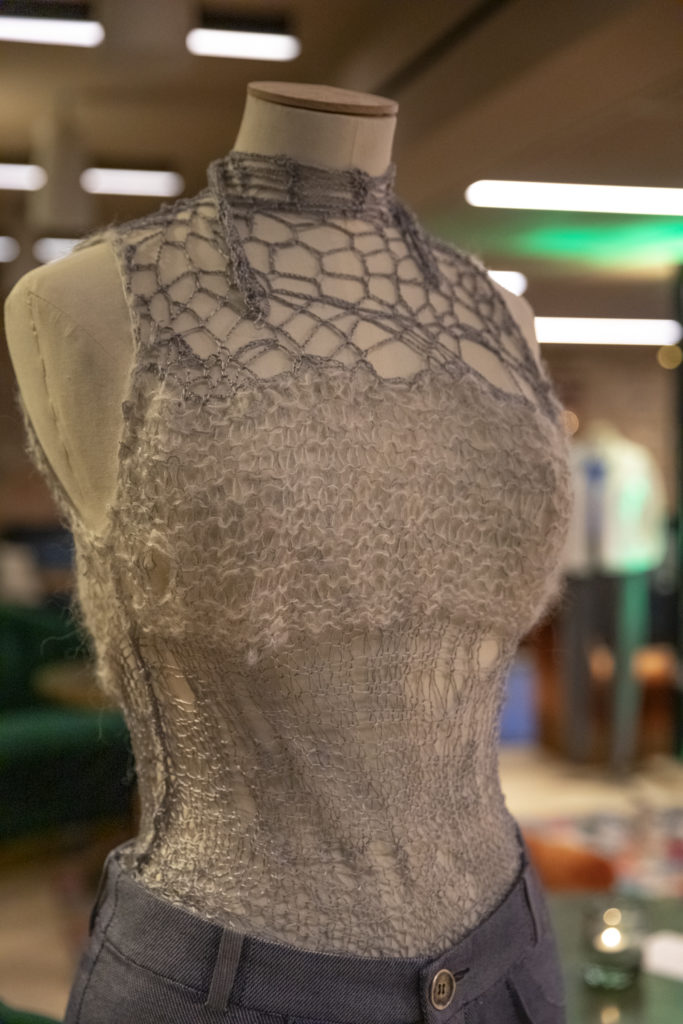
Donated by PANGAIA, Weffan x Liquid Editions will receive a cash prize of £15,000, alongside ten consultancy hours with the brand, a new sewing machine from Anglo American Sewing Machines, one-year desk membership from The Trampery Fish Island Village, and a 12-month business membership from Common Objective, with global connections, premium intelligence, and courses in sustainable fashion and manufacturing.
The runners-up receive a cash prize of £5,000 each, donated by PANGAIA, and all three award winners will receive complementary professional membership of Business of Fashion.
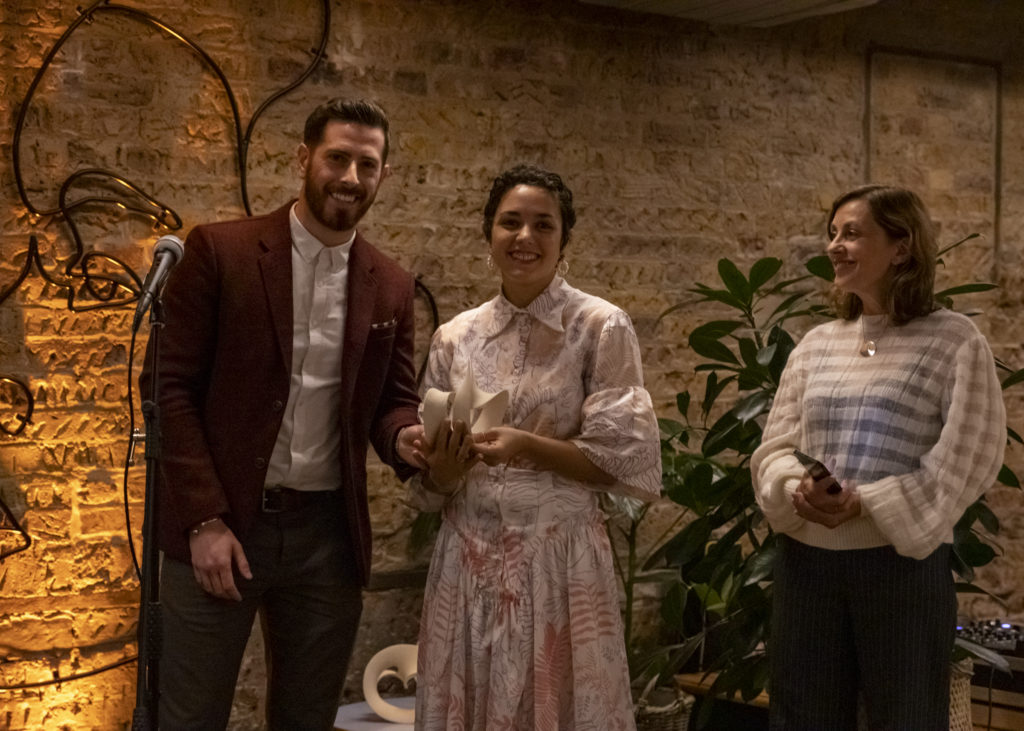
Fashion District and London College of Fashion, UAL partnered with PANGAIA to call upon sustainably-driven designers and businesses to present new circular design solutions. Design Futures 2022 challenged designers to develop ways to help longevity, zero waste, designing with waste, material cyclability, and regeneration.
Craig Smith, Research and Development Director of PANGAIA, said:
“PANGAIA is delighted to support the Design Futures 2022 winning designers. In trying to find solutions to our industry’s challenges it’s important for us collaborate and connect with creatives at various stages of the commercialisation journey. The design futures prize is a great showcase of early stage approaches to circular design and each of the winners has the potential to make a real difference in the fashion industry with their innovations.”
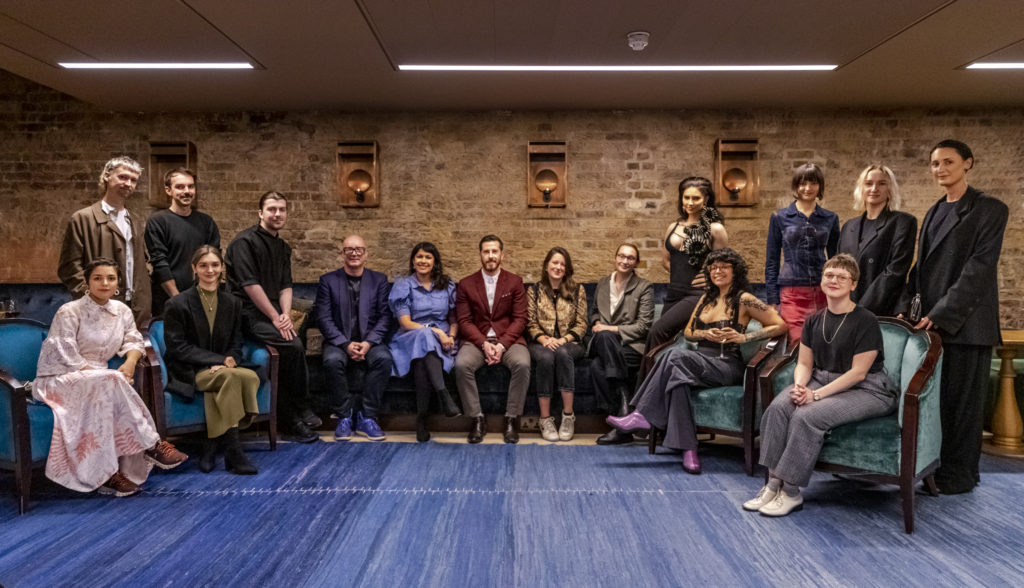
Nine designers were shortlisted for their creativity, originality and circular design thinking, as well as the potential for their innovation to be marketed and scaled.
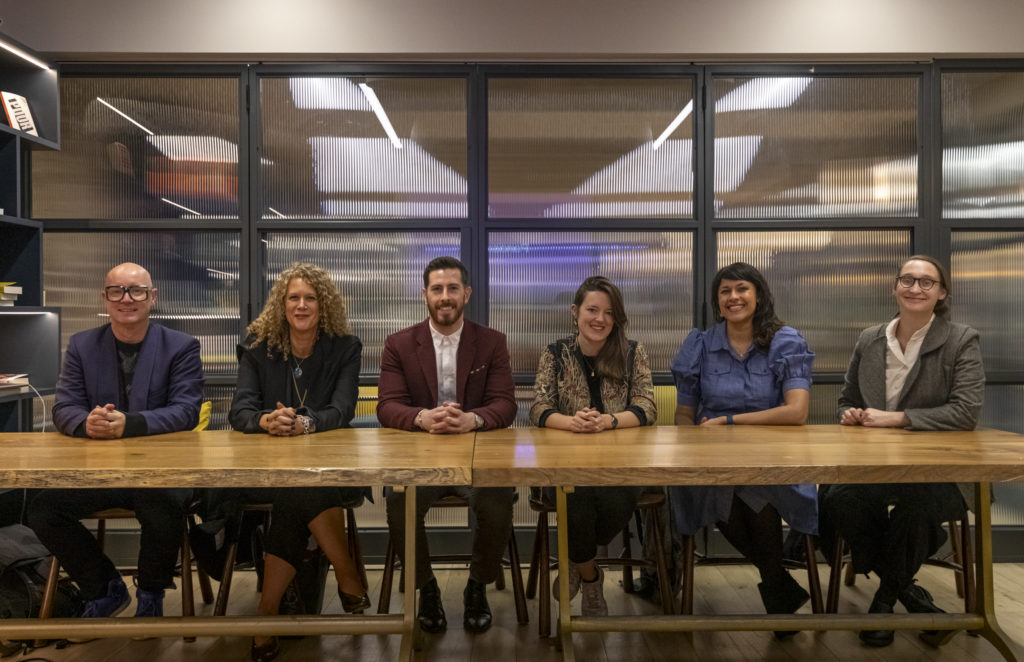
The winners were selected by our high-profile panel of leading sustainability and fashion experts: Craig Smith, PANGAIA; Shailja Dubé, Institute of Positive Fashion, British Fashion Council; Lee Lapthorne, On|Off; Catriona Woolner-Winders, Selfridges; Phoebe English, Designer; and Laetitia Forst, Centre for Circular Design.
Helen Lax, Director of Fashion District, said:
“Design Futures 2022 has demonstrated the extraordinary breadth of talent we have here in the UK. We have a real opportunity to use this momentum to advance the field of circular design, both within the industry and across other sectors, to help make a positive impact on the planet and change the fashion industry for good.”
Those shortlisted included:
Andrew Bell
Integrating traditional tailoring techniques with sonic welding and taping technologies Andrew created a lightweight garment that is mono-material, allowing it to be easily reprocessed at the end-of-life stage.
Daniel Crabtree
Reimagining British tailoring, Daniel Crabtree offers menswear staples built to endure and crafted from repurposed fabrics and materials to eliminate waste from development and production processes.
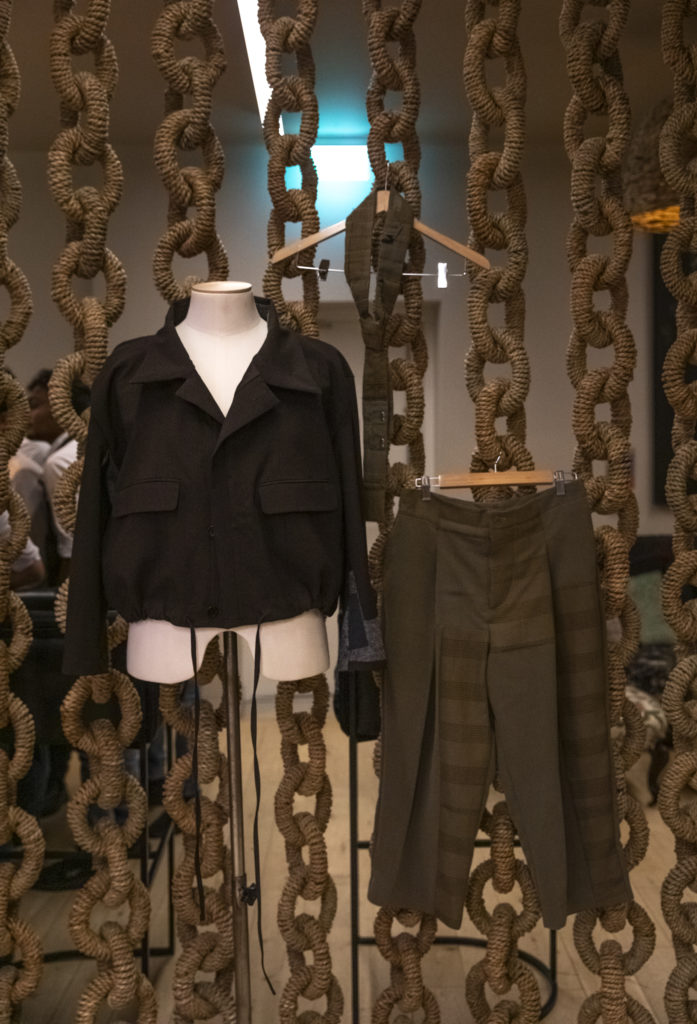
FibreLab
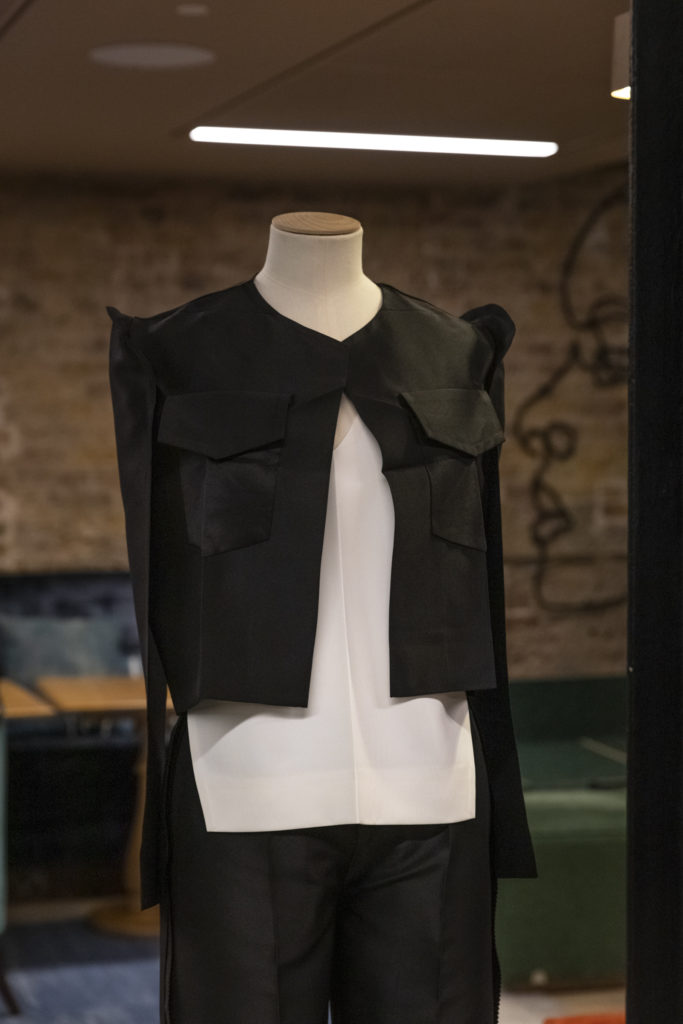
FibreLab assists fashion businesses to implement circular practices by shredding their unwanted textiles and developing innovative ways to use them. Their look explores sustainability through hyper-local sourcing, modularity, and design for disassembly.
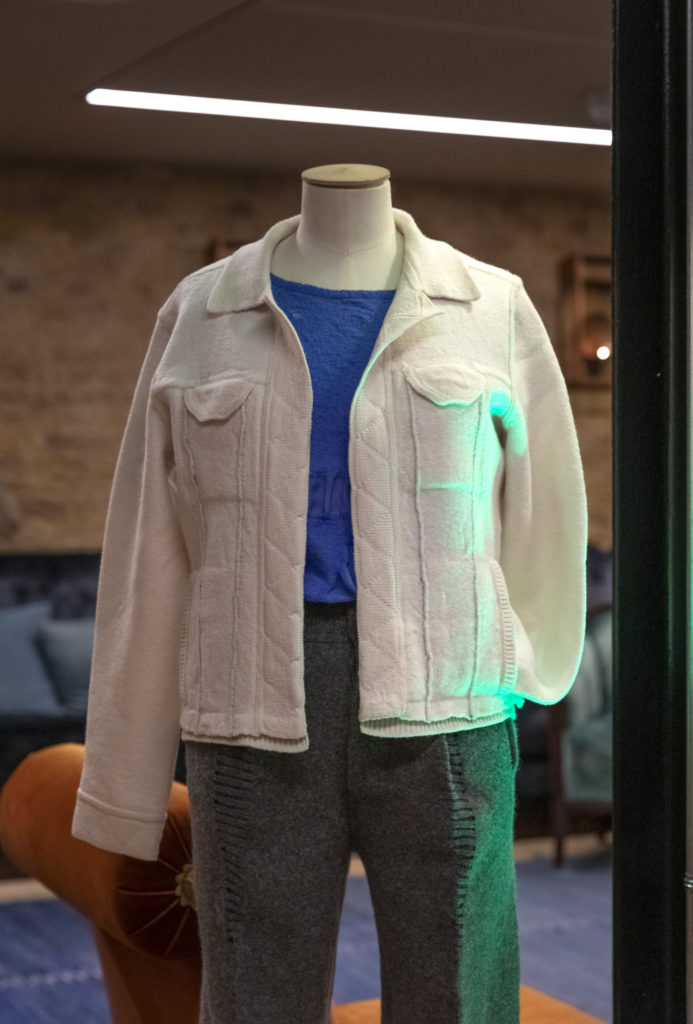
Nicci James
Using knitted structures to engineer strength into the garment Nicci’s innovation uses the capabilities of wool without added interfacings, stabilisers, or linings, presenting a completely mono-material tailoring that is easier to reprocess.
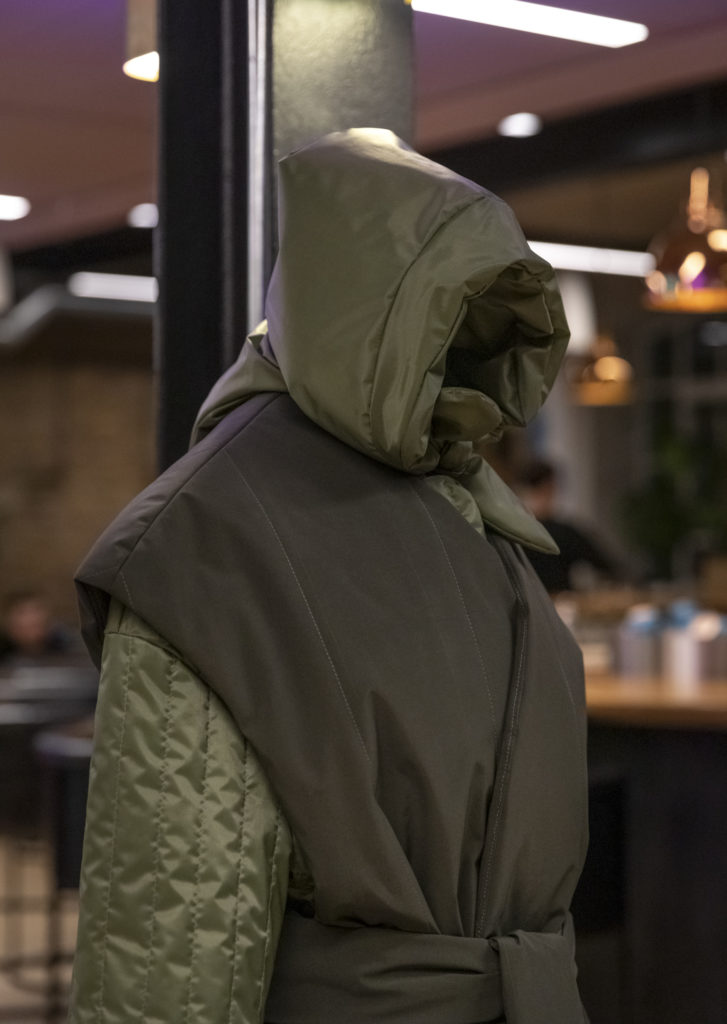
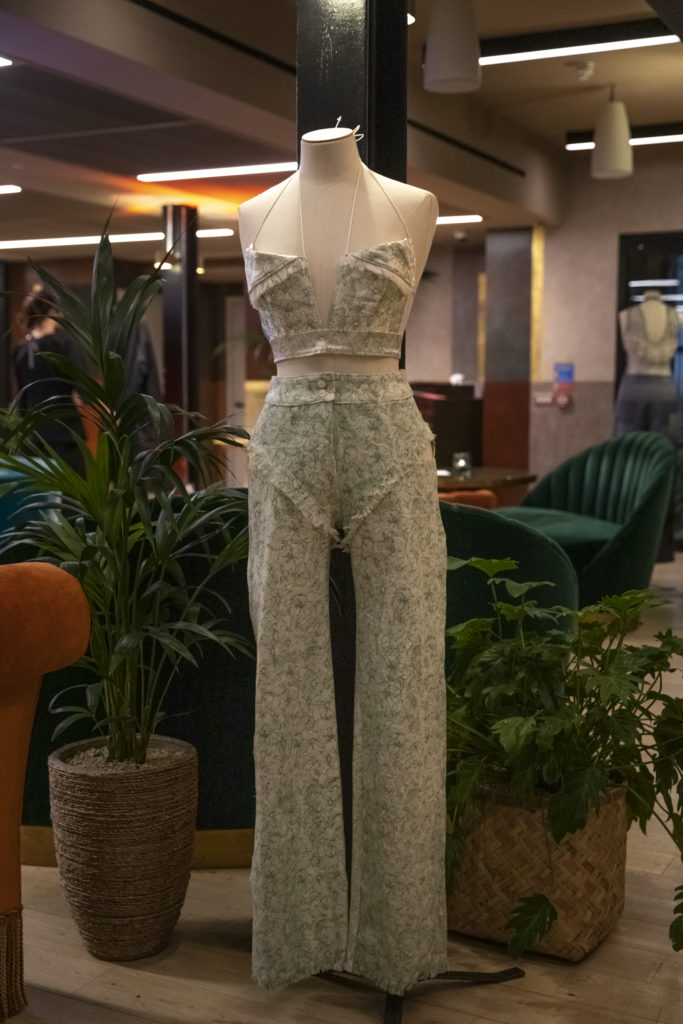
Savvas Alexander
Enabling made-to-order systems that tackle overproduction and overconsumption Savvas’ innovation reduces garment processes and speeds up manufacture by sealing garment edges, and eliminating excess finishes and fastenings.
Skins of Earth
Skins of Earth is a plant-based luxury handbag brand with sculptural designs from paleobiology. Made from natural rubber biomaterials that are grown as a live form using a low-energy incubation system designs can be biodegradable after their life cycle.
Y.A.N.G. (You Are the Next Generation)
Y.A.N.G. minimises waste through a method of garment reconstruction that allows retailers to efficiently reconstruct or redesign their excess stock. This will help them cut out waste, extend the life of their products, and introduce garment remaking techniques.
Shailja Dube, Institute of Positive Fashion Lead, British Fashion Council said:
“By disrupting the status quo and future-thinking the circular design needs of the industry, the designers have produced innovations that challenge mainstream fashion systems”.
About PANGAIA:
PANGAIA is a direct-to-consumer materials science brand on a mission to save the environment. We are a global collective of one heart and many hands — scientists, technologists, designers — creating essential products from innovative and bio-engineered materials. We are starting a movement — Designing a better future.
To learn more, head to https://pangaia.com/
About The Trampery:
The Trampery is a purpose-led enterprise that provides workspaces and training for businesses; plus advisory services for governments and landowners.
Since 2015 The Trampery has been delivering dedicated support for the fashion sector. Initially through its renowned London Fields workspace, and more recently The Trampery Fish Island Village and Poplar Works, which offer a total of 70,000 square feet of dedicated space for start-up and scale-up fashion businesses with a state-of-the-art campus and mix of affordable workspaces, co-working, manufacturing and showcasing facilities.
Find out more at https://thetrampery.com/
About Anglo American Sewing Machines:
Anglo American Sewing Machines are a leading global supplier of industrial sewing machines, also supplying domestic sewing machines, and industrial ironing equipment. They also offer an exclusive service. Which includes maintenance, repairs, and a rental service for short to long term rentals. Based in East London they are a family business who have supplied the textile industry since 1960.
Check out their services at https://www.anglosewing.co.uk/
About Common Objective:
Common Objective (CO) is the global industry platform for sustainable fashion. CO’s 50,000+ members include representatives from luxury brands, global corporates and sustainability pioneers.
CO’s database of over 300 resources and tools supports fashion professionals to make sustainable and ethical choices easily, affordably, and with confidence. CO’s technology matches users with sustainable suppliers, intelligence, tools, and training to support best practice, and increases the profile of the most sustainable businesses, giving them more visibility, customers, and sales.
For more information, visit https://www.commonobjective.co/
Are you an innovative start-up, SME or entrepreneur? We have plenty of events and opportunities to support your business! Sign up to our newsletter or follow our social channels to keep up-to-date: